Students
Students
Student Experience

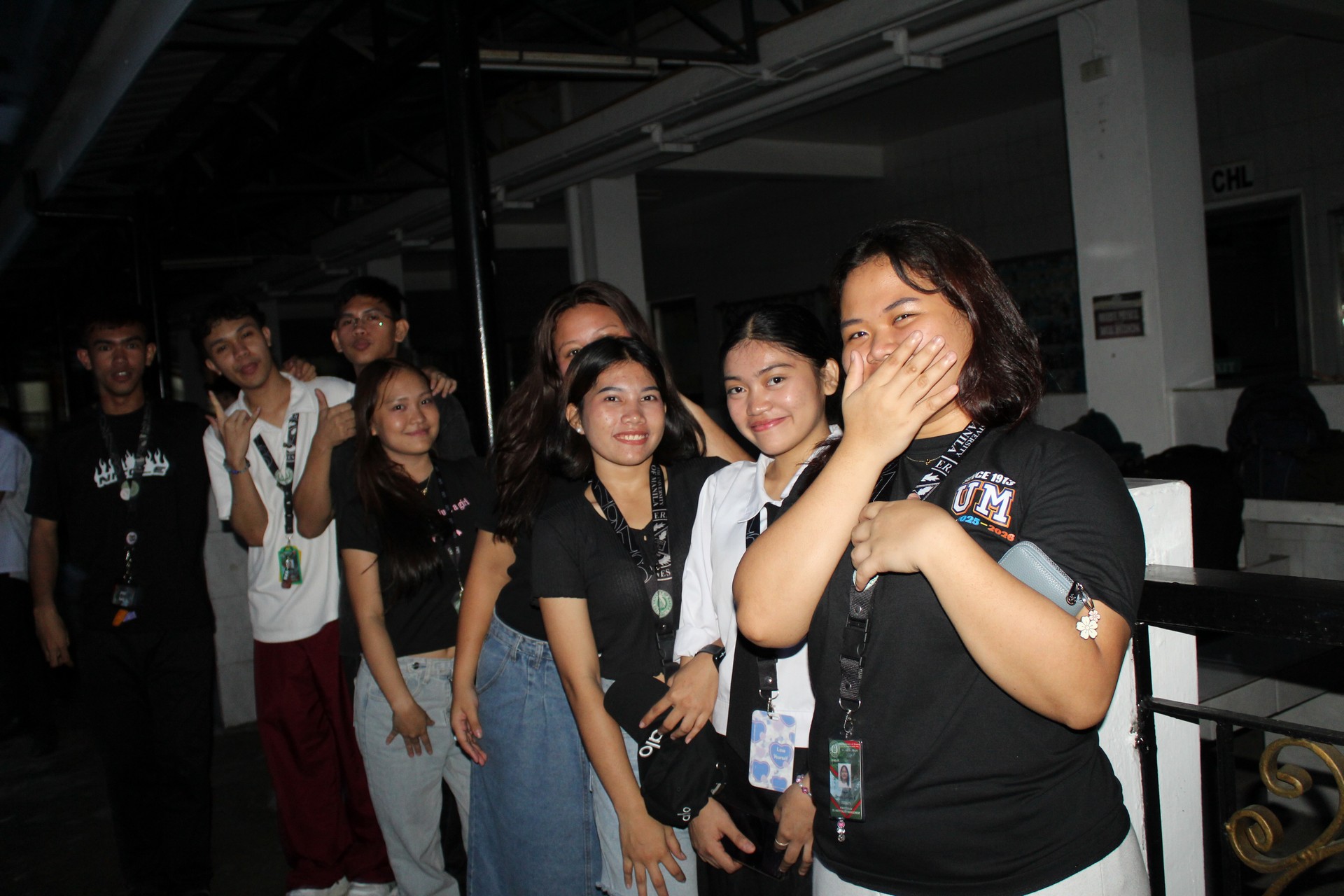
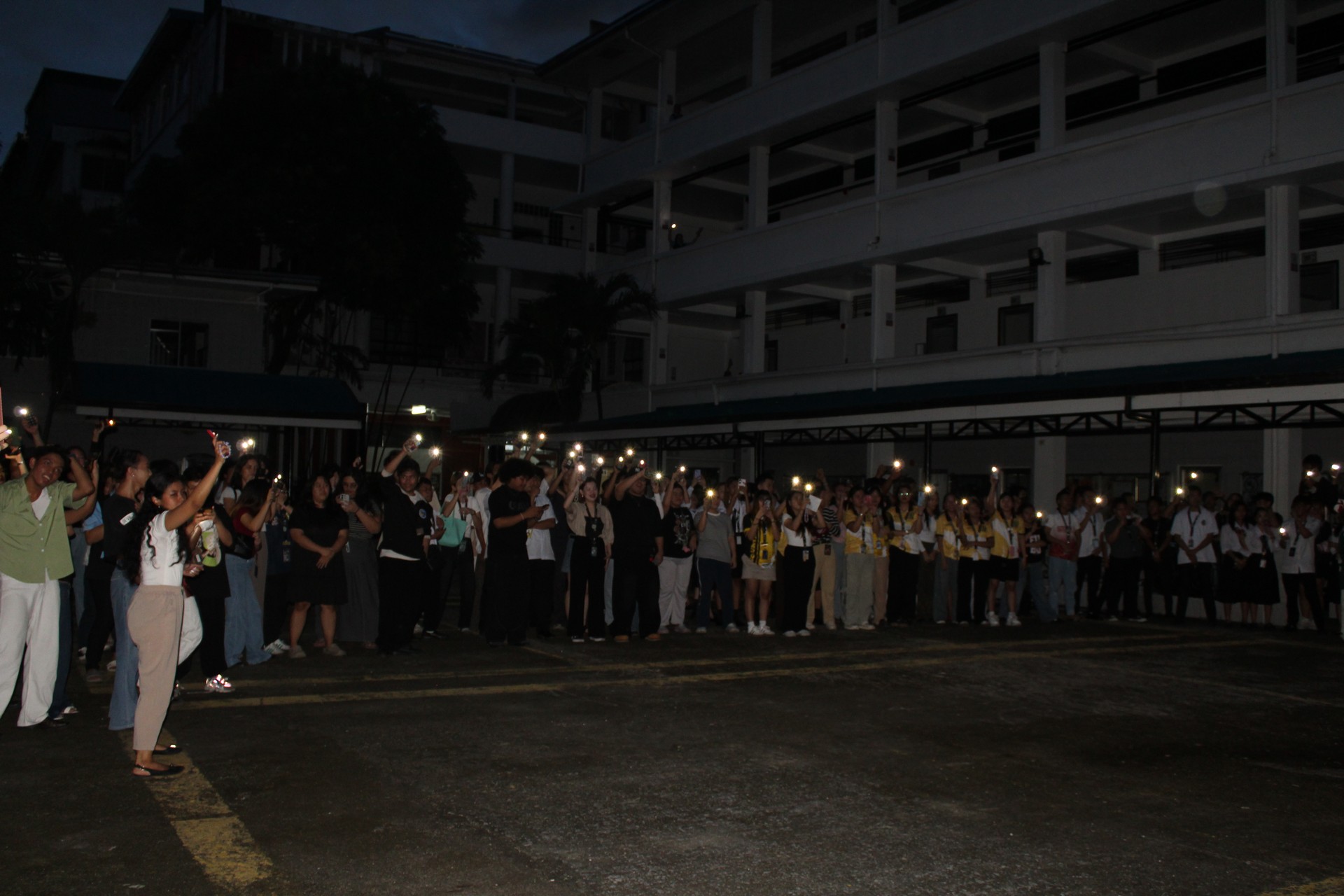
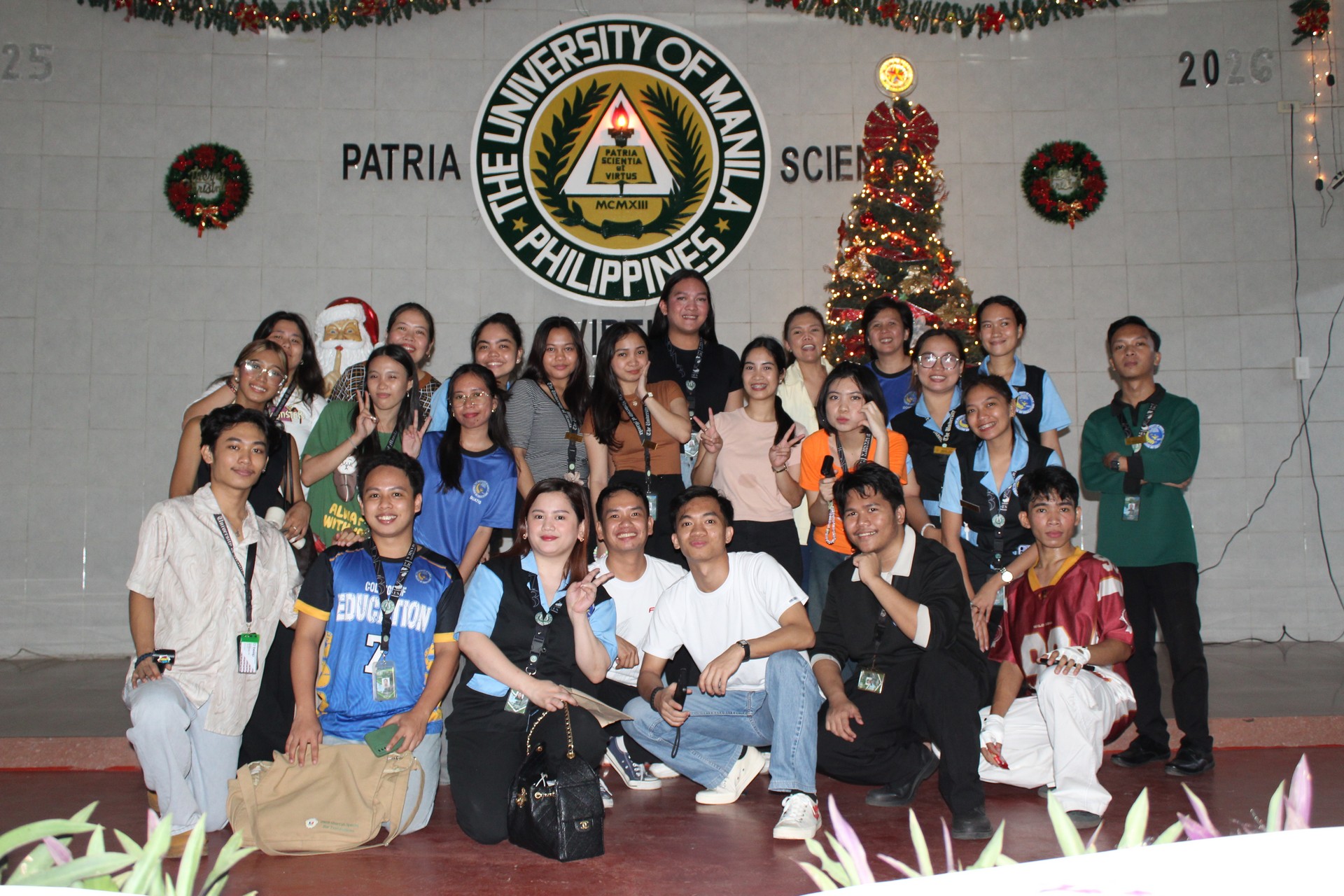
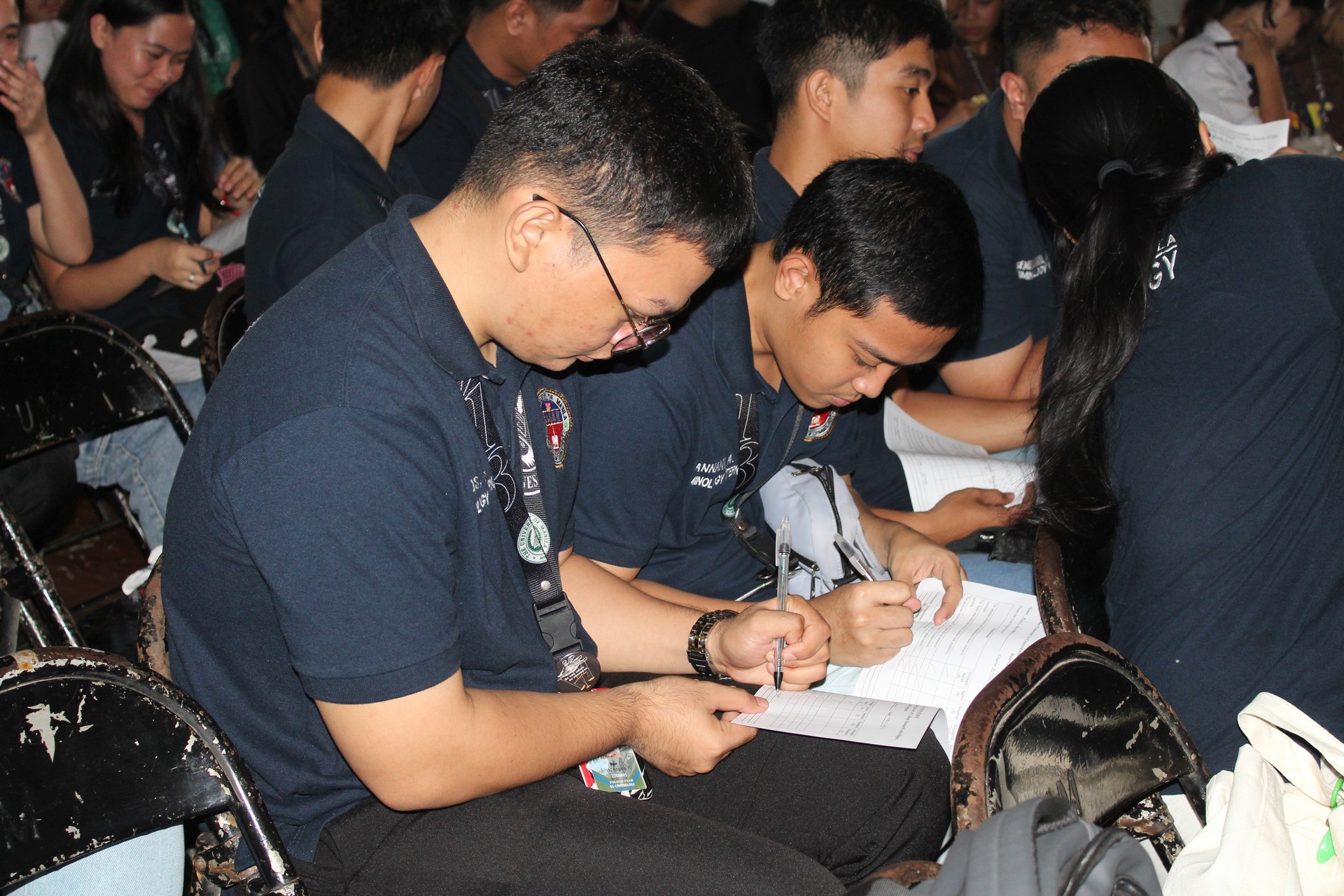
The University of Manila aims to provide total development of all the students by recognizing the full potential of the individuals through various student development programs and services. These are being supervised by the Office of the Student Affairs.
UManian's Life

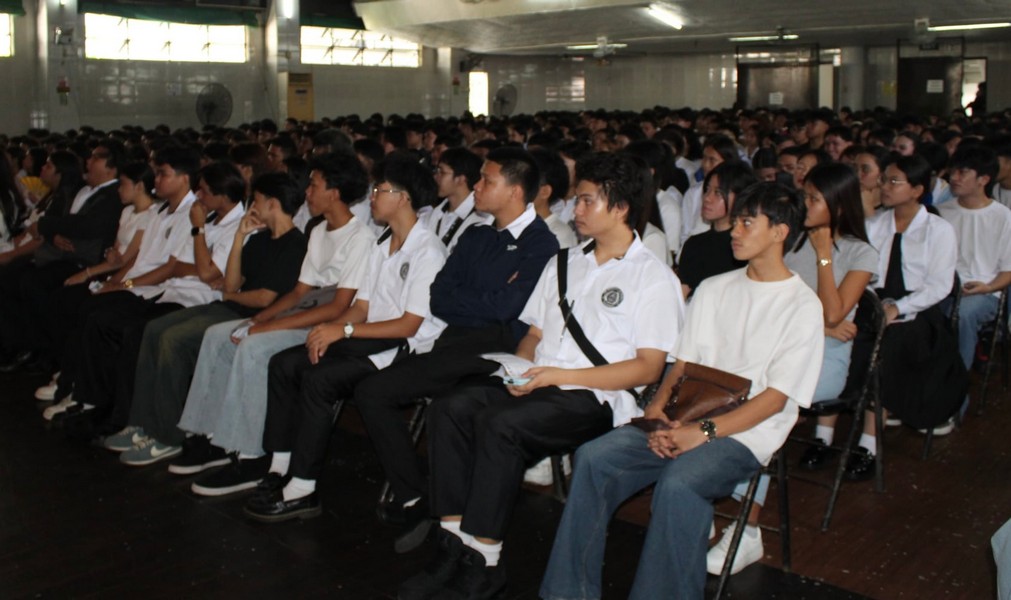
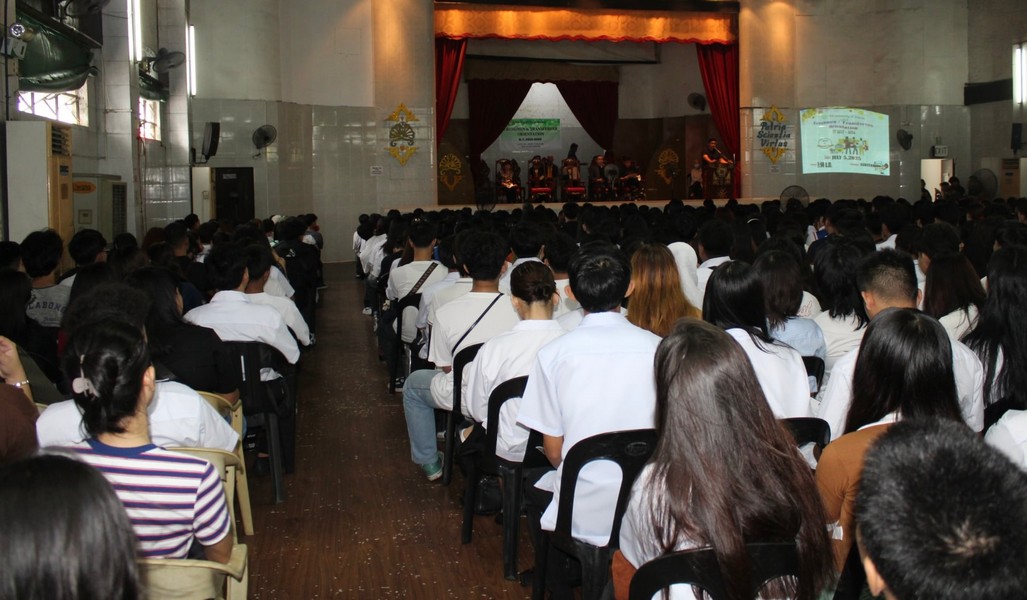
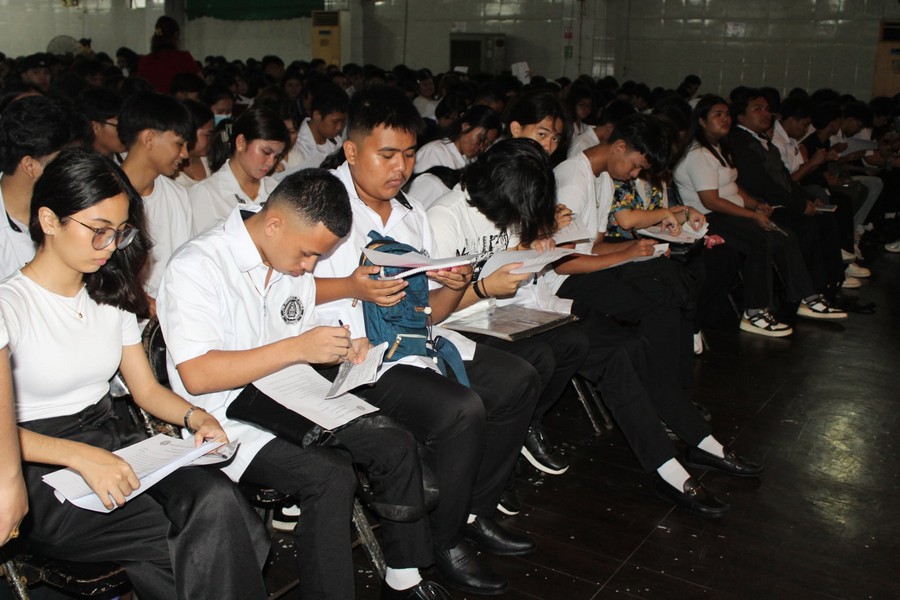
Orientation

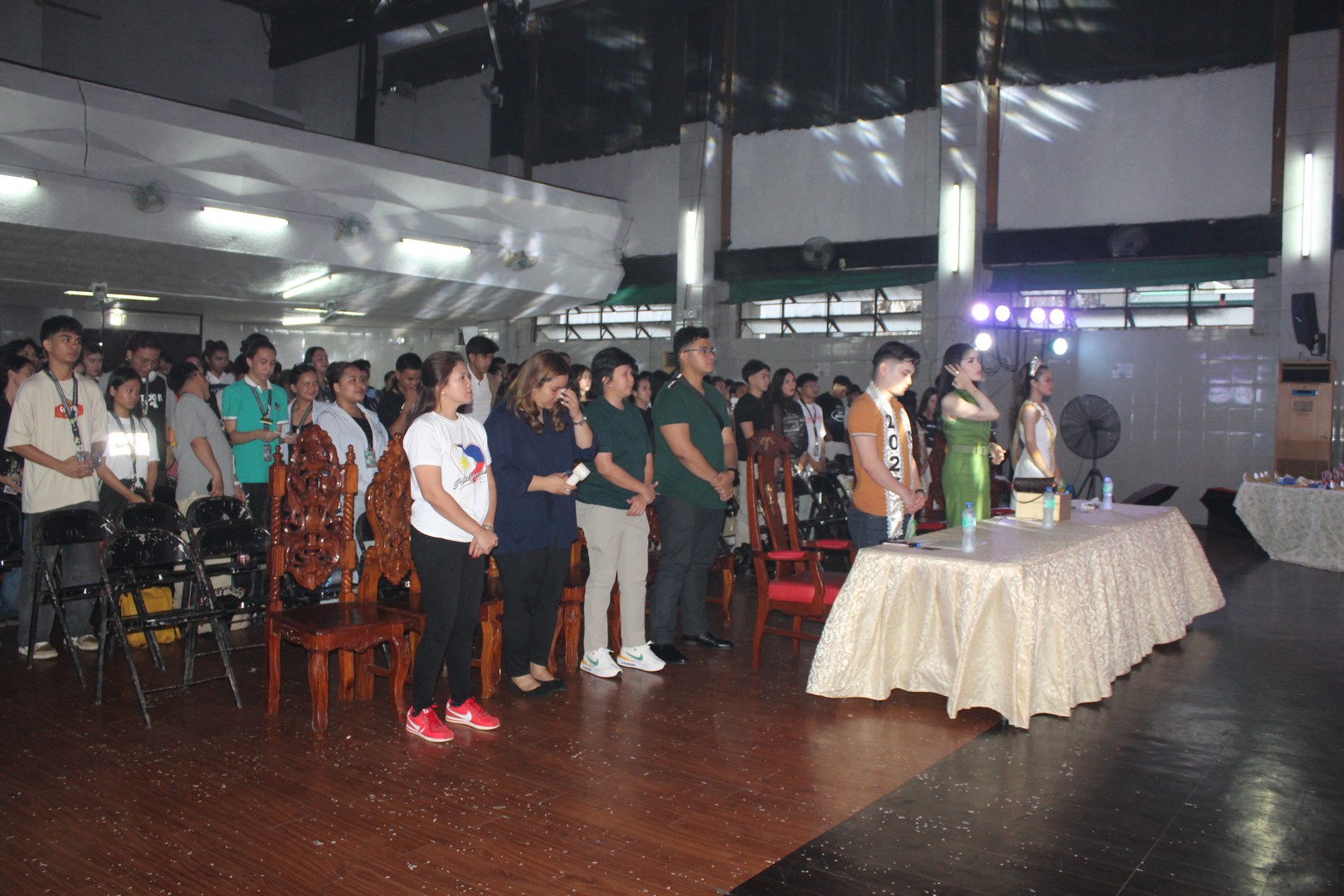
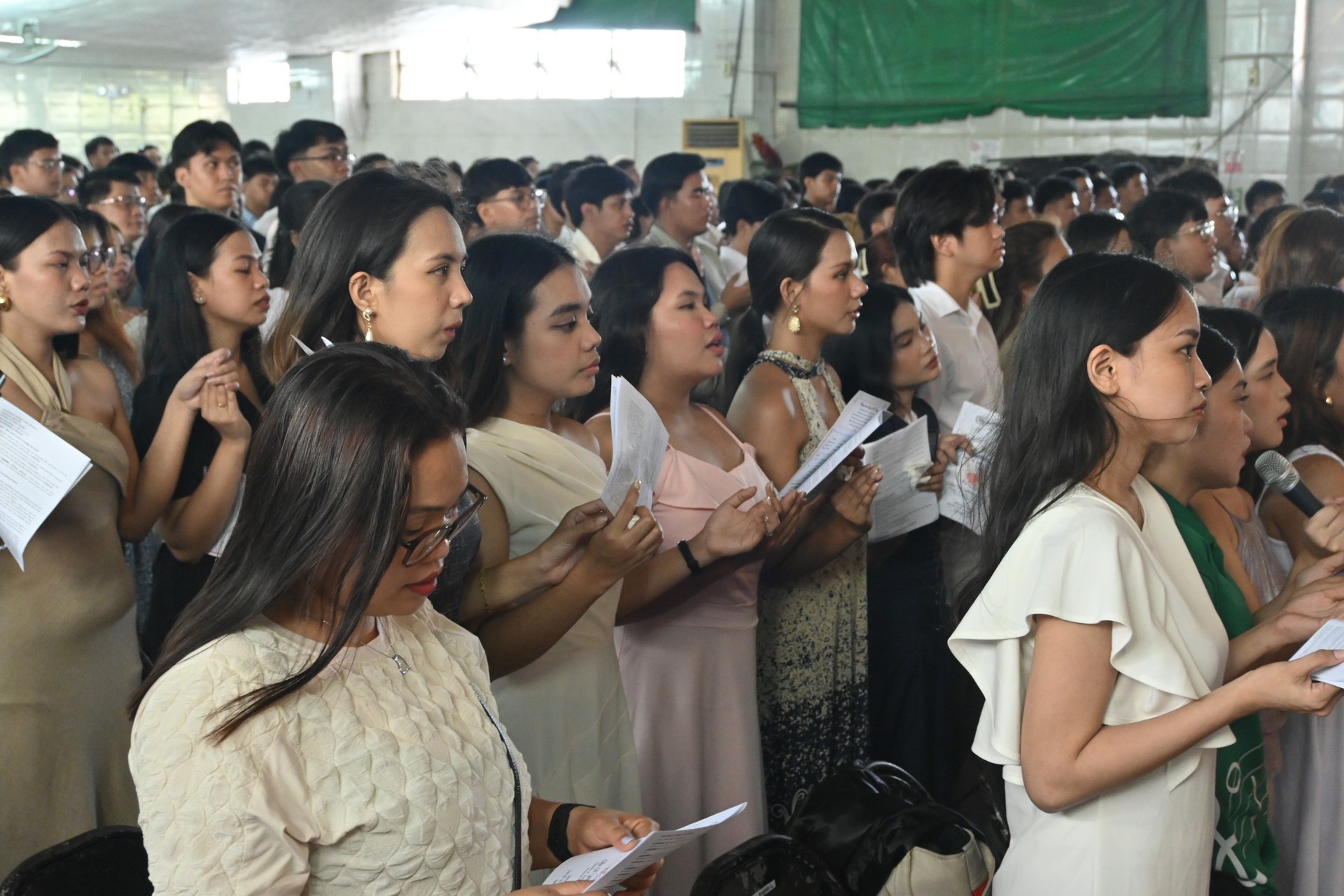
The University of Manila Orientation Program was conducted to formally welcome new students and familiarize them with the institution’s policies, programs, services, facilities, and academic expectations. The activity served as an important platform for introducing students to the University’s vision, mission, goals, and core values, as well as the various opportunities available to support their academic and personal development.
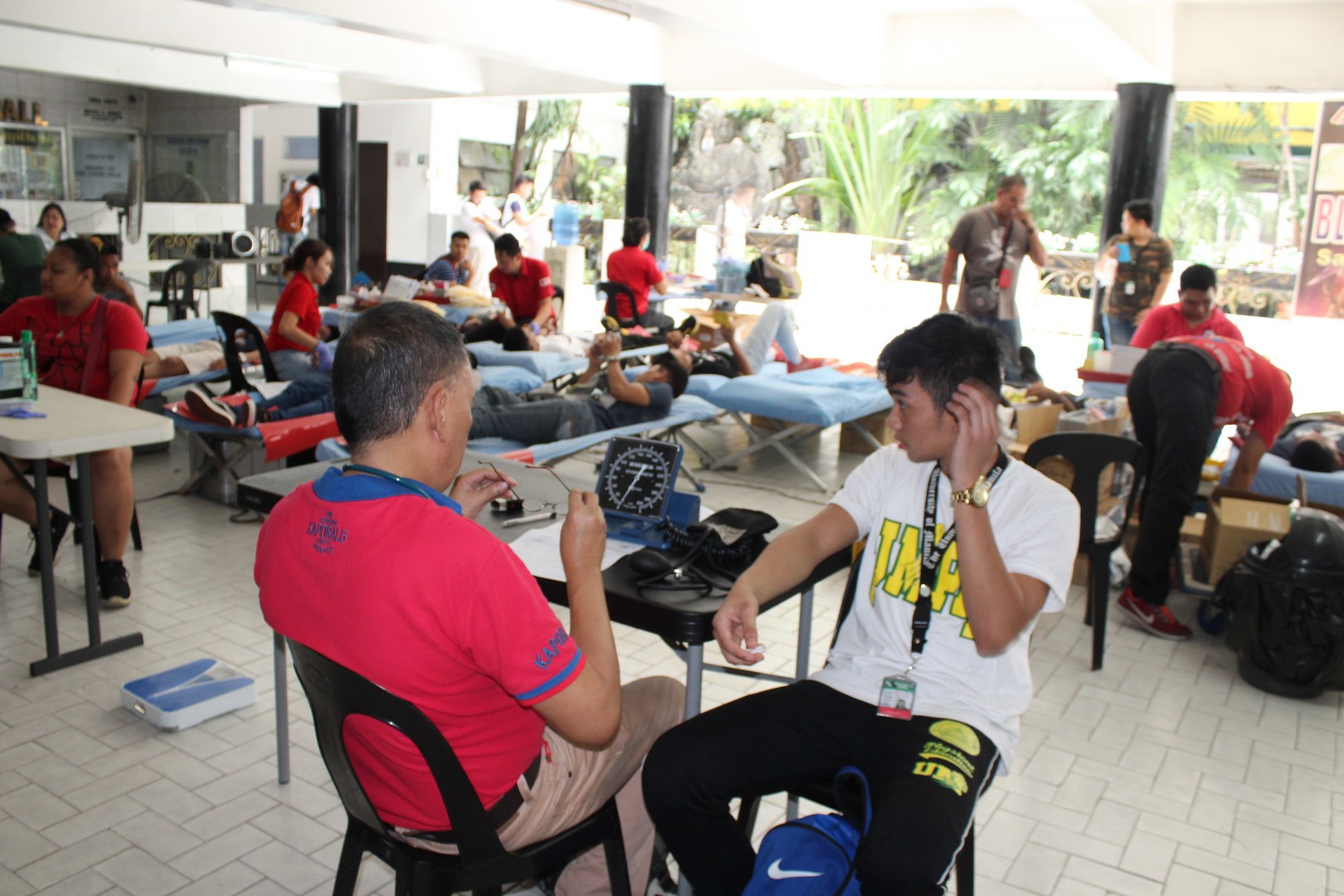
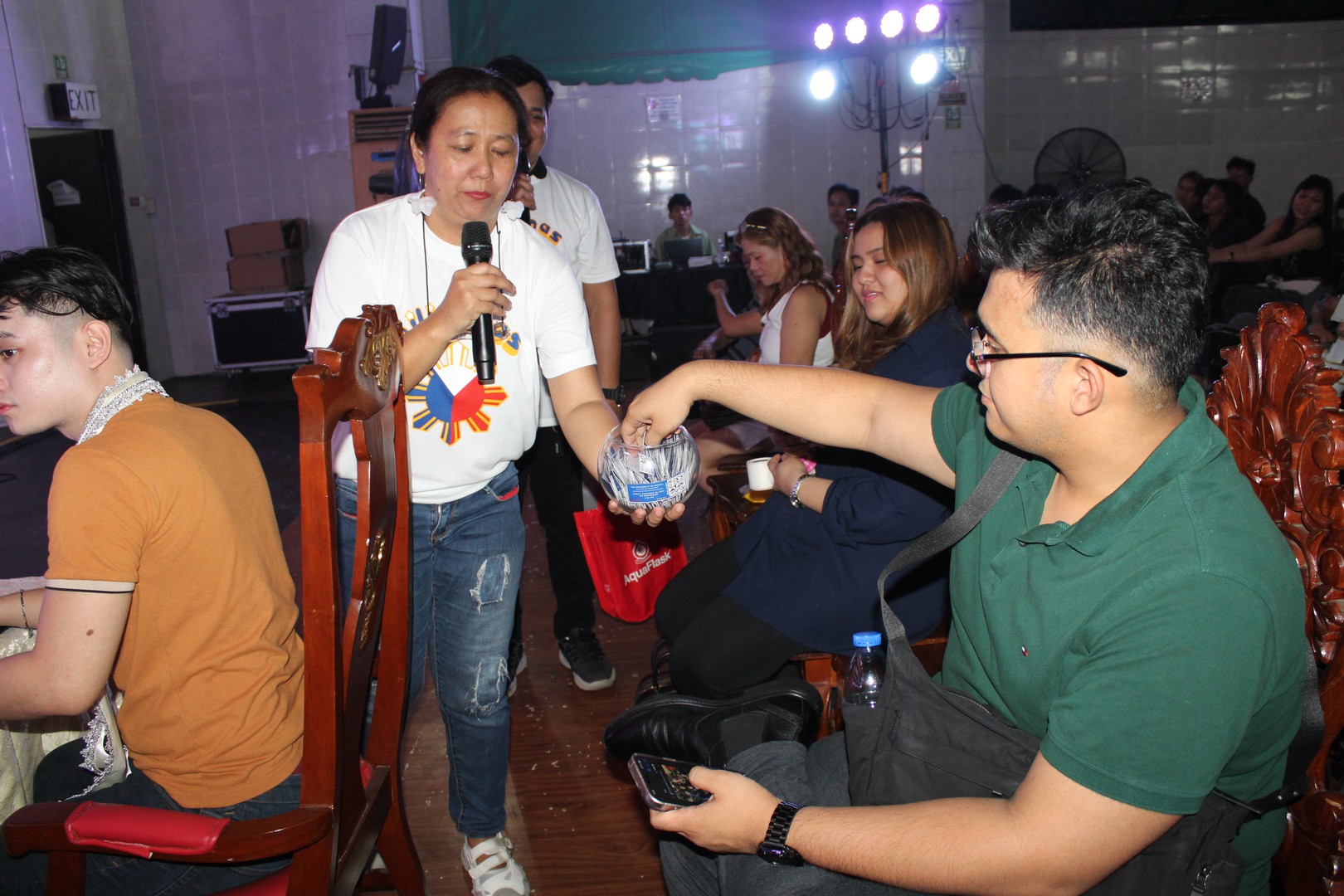
Blood Donation

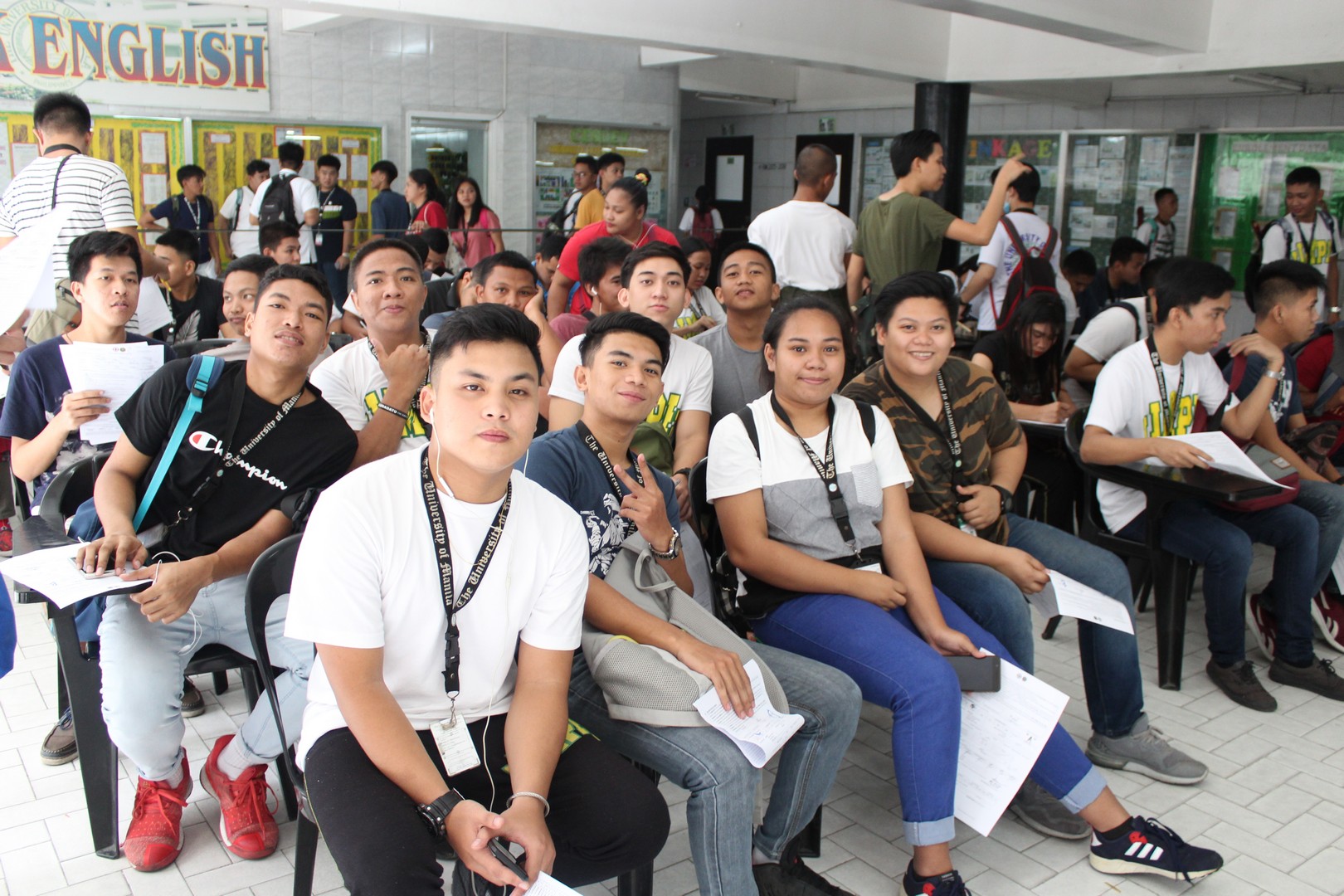
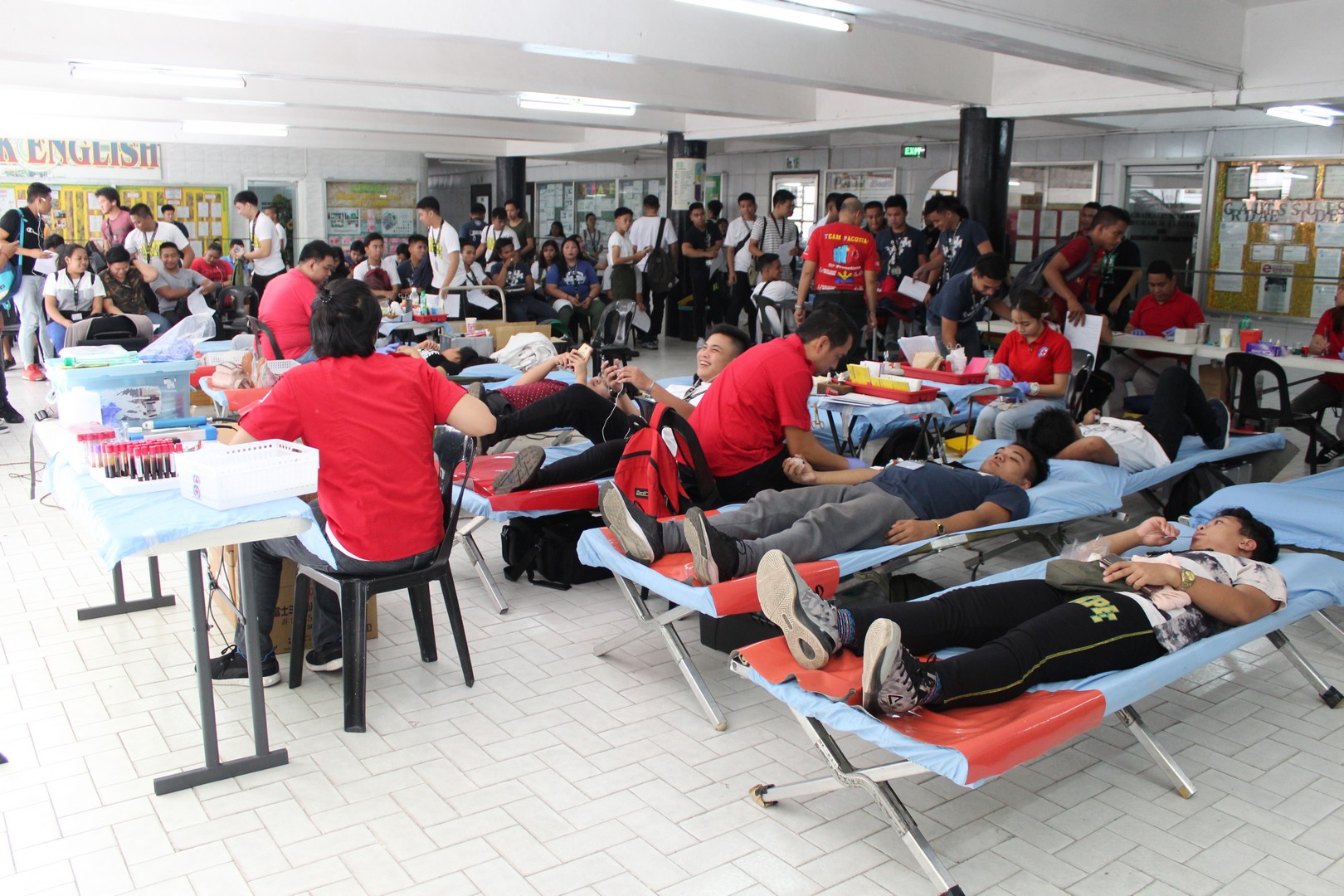
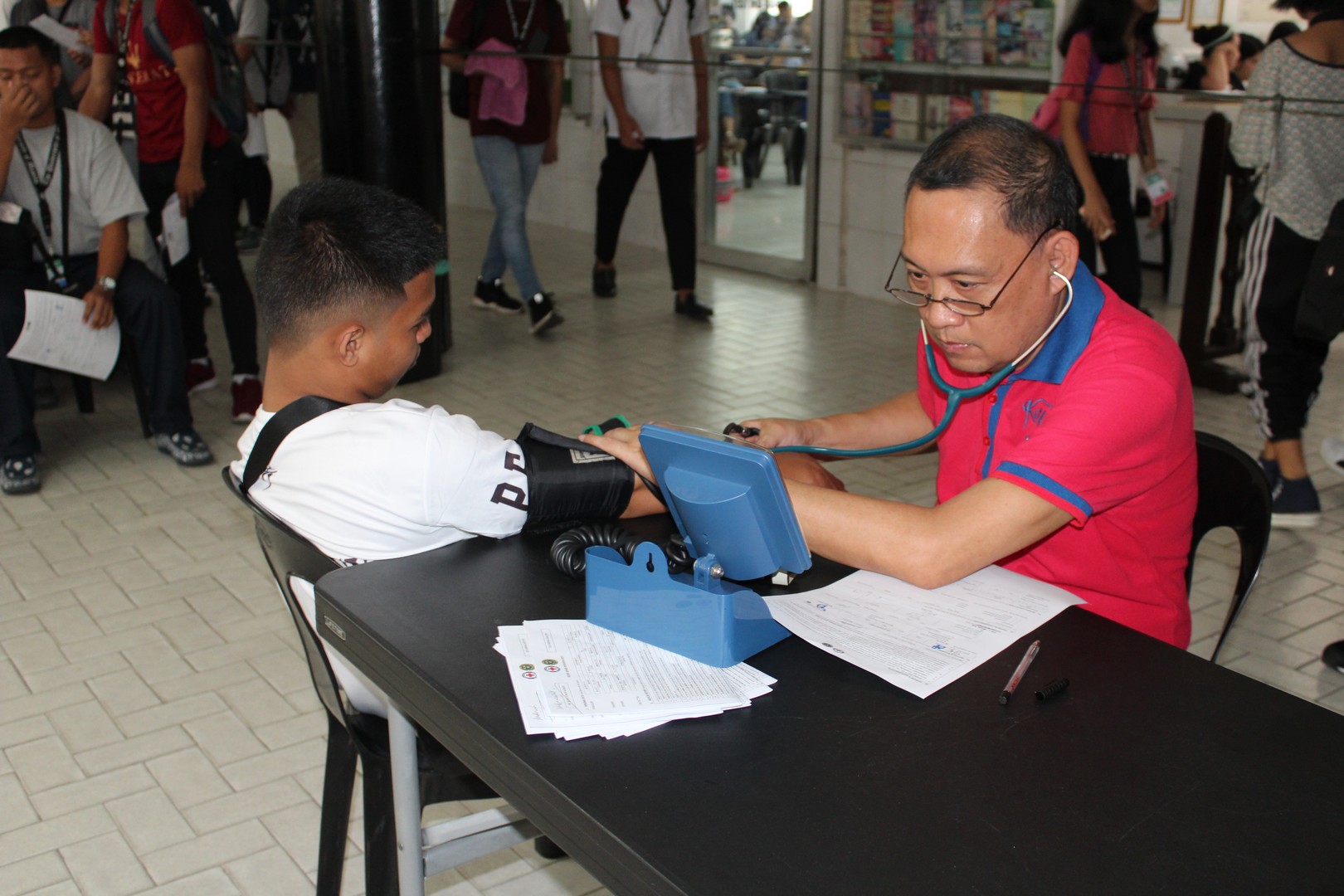
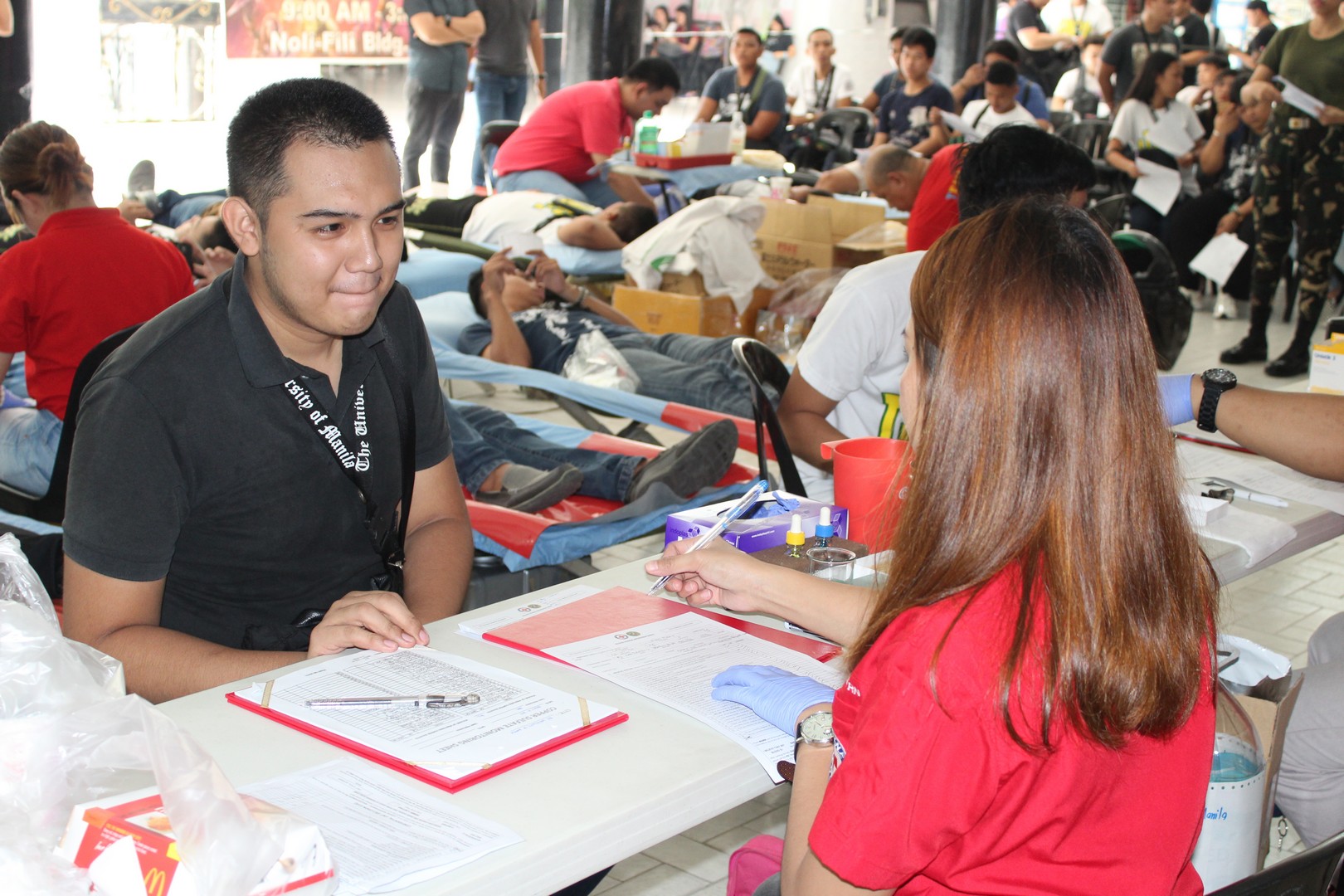
The Blood Donation Campaign of the University embodies the University’s guiding principle, Patria, Scientia et Virtus (Country, Knowledge, and Virtue). It reflects Patria by encouraging members of the University community to contribute to nation-building through voluntary service and support for public health initiatives. It demonstrates Scientia by promoting awareness and understanding of the medical and humanitarian significance of blood donation. Most importantly, it exemplifies Virtus by inspiring generosity, compassion, selflessness, and a commitment to helping save lives.

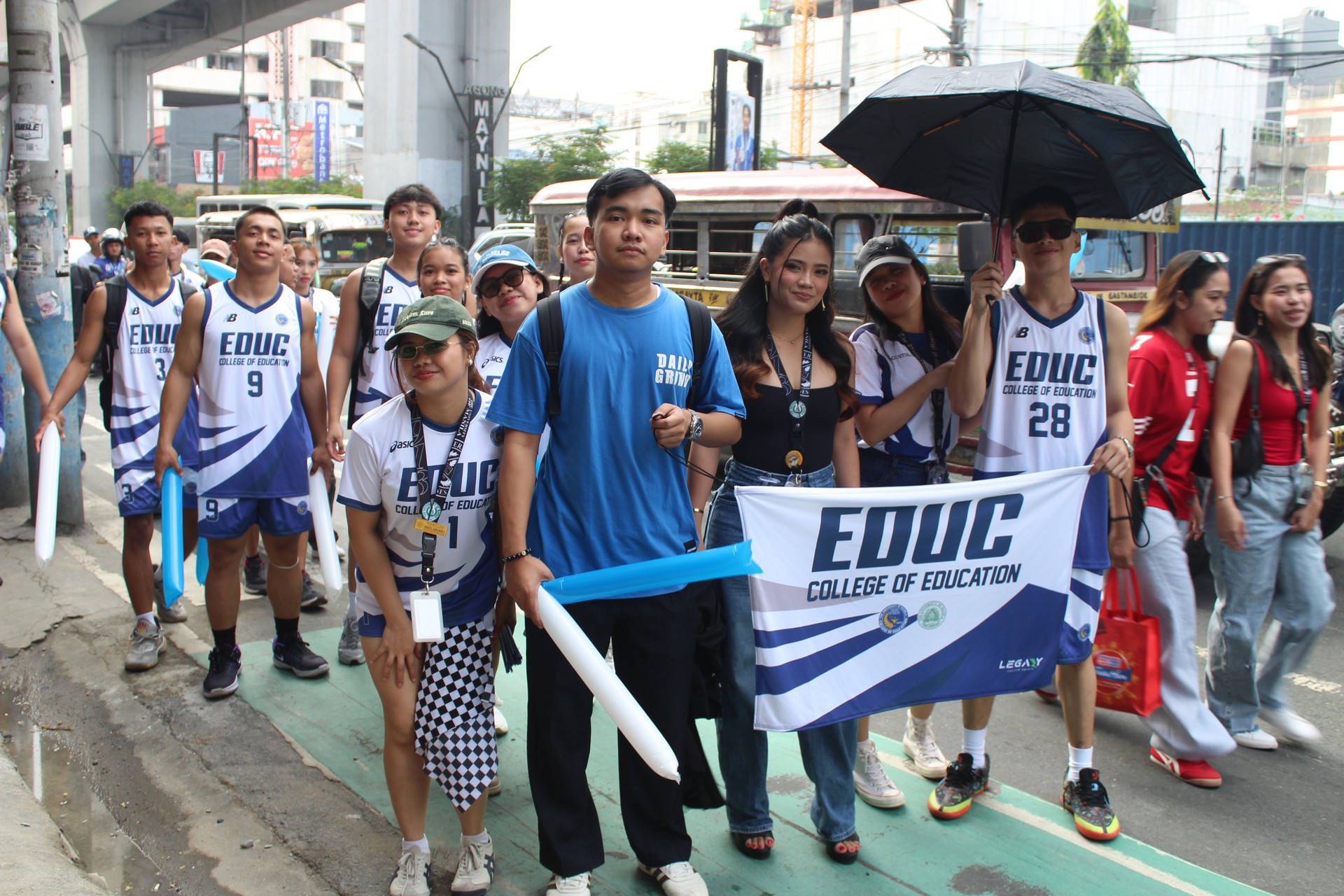
Educ Day

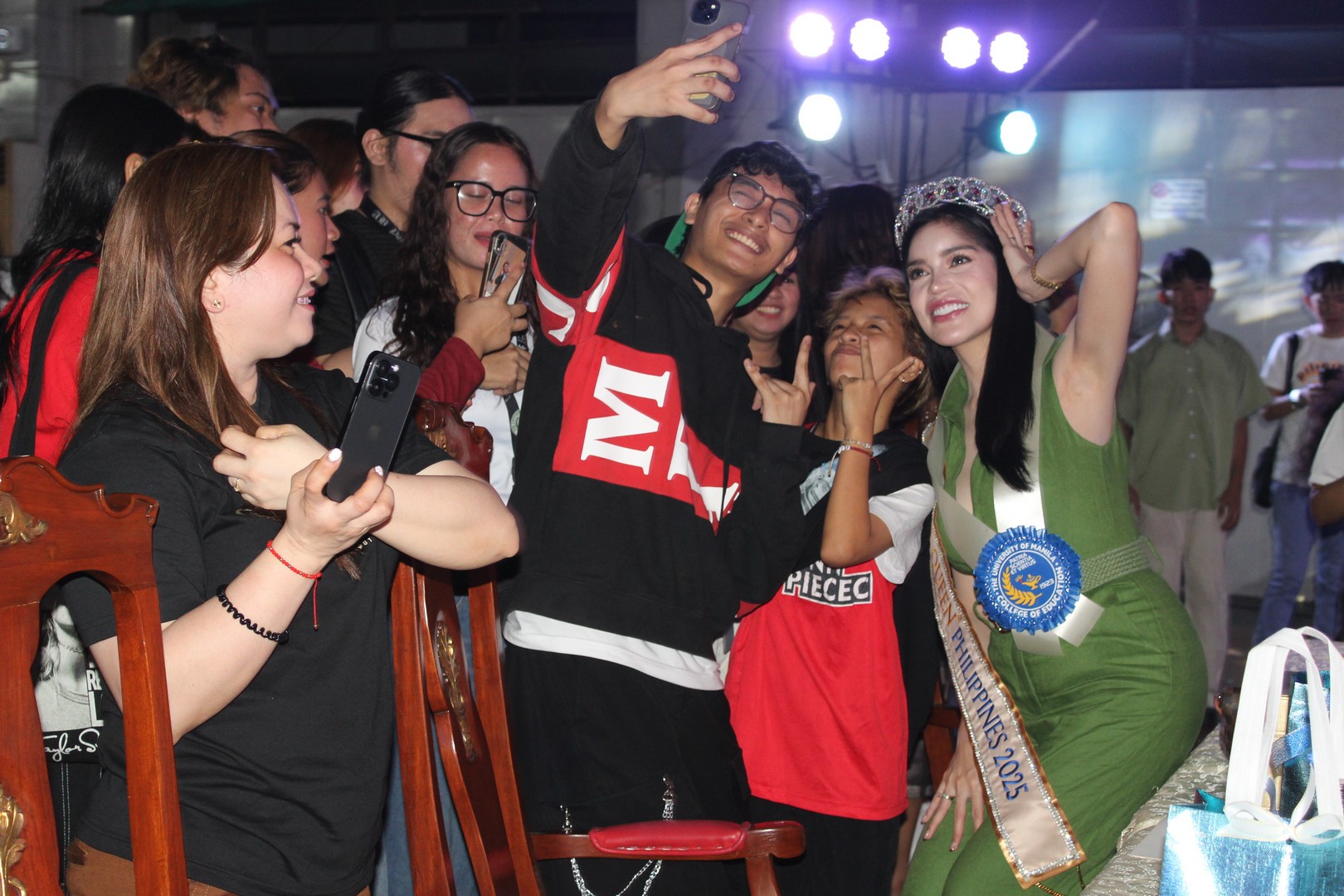
The celebration of Educ Day at the University of Manila is a special occasion that recognizes the vital role of the College of Education in shaping competent, compassionate, and future-ready educators. It serves as a venue to honor the dedication of students, faculty, alumni, and education professionals who are committed to excellence in teaching and lifelong learning.

Educ Day promotes unity, leadership, creativity, and professional growth through various academic, cultural, and community engagement activities. It also reinforces the University’s commitment to its core values of Patria, Scientia et Virtus by inspiring future educators to become responsible, knowledgeable, and ethical individuals who will contribute meaningfully to nation-building and the advancement of quality education.

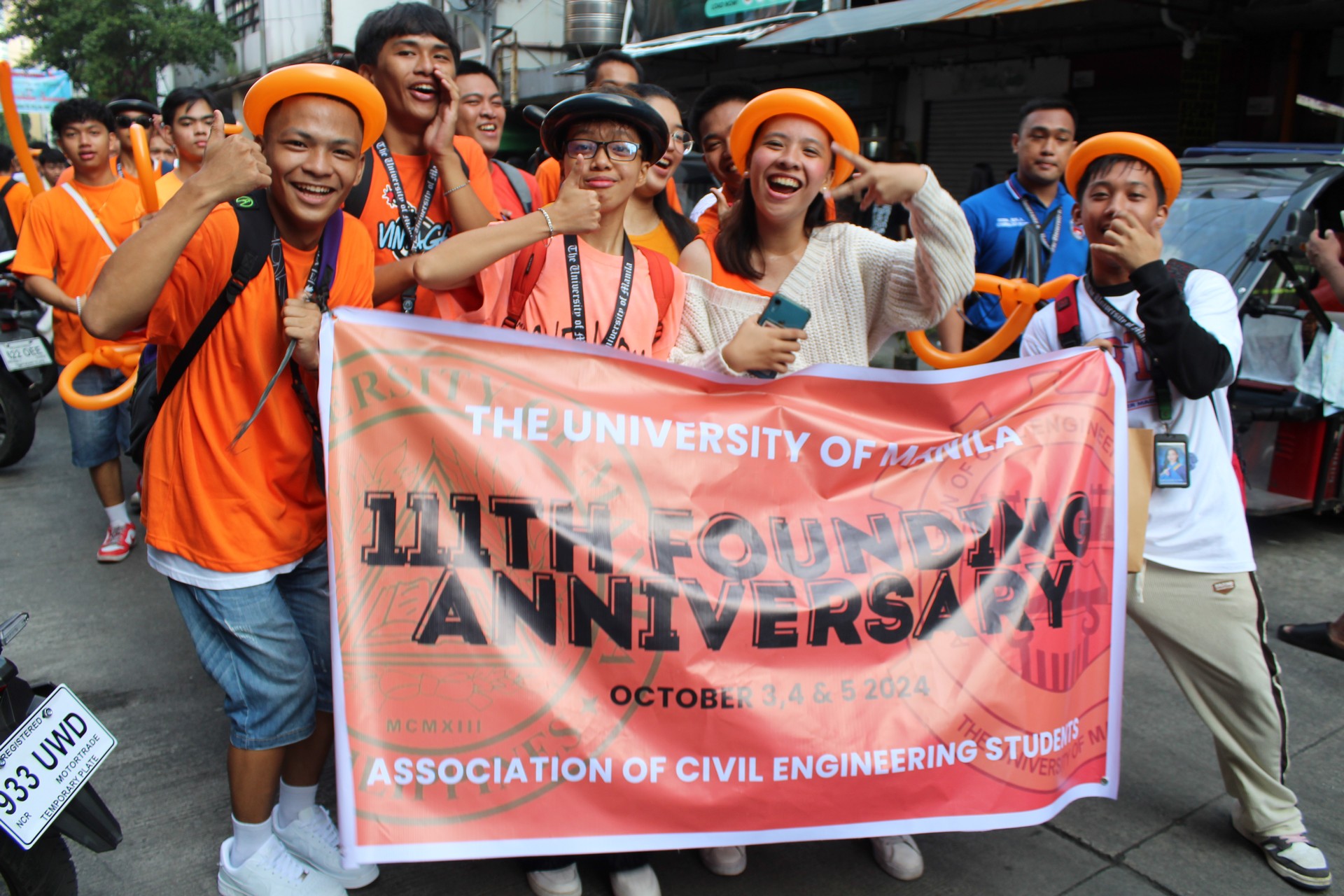
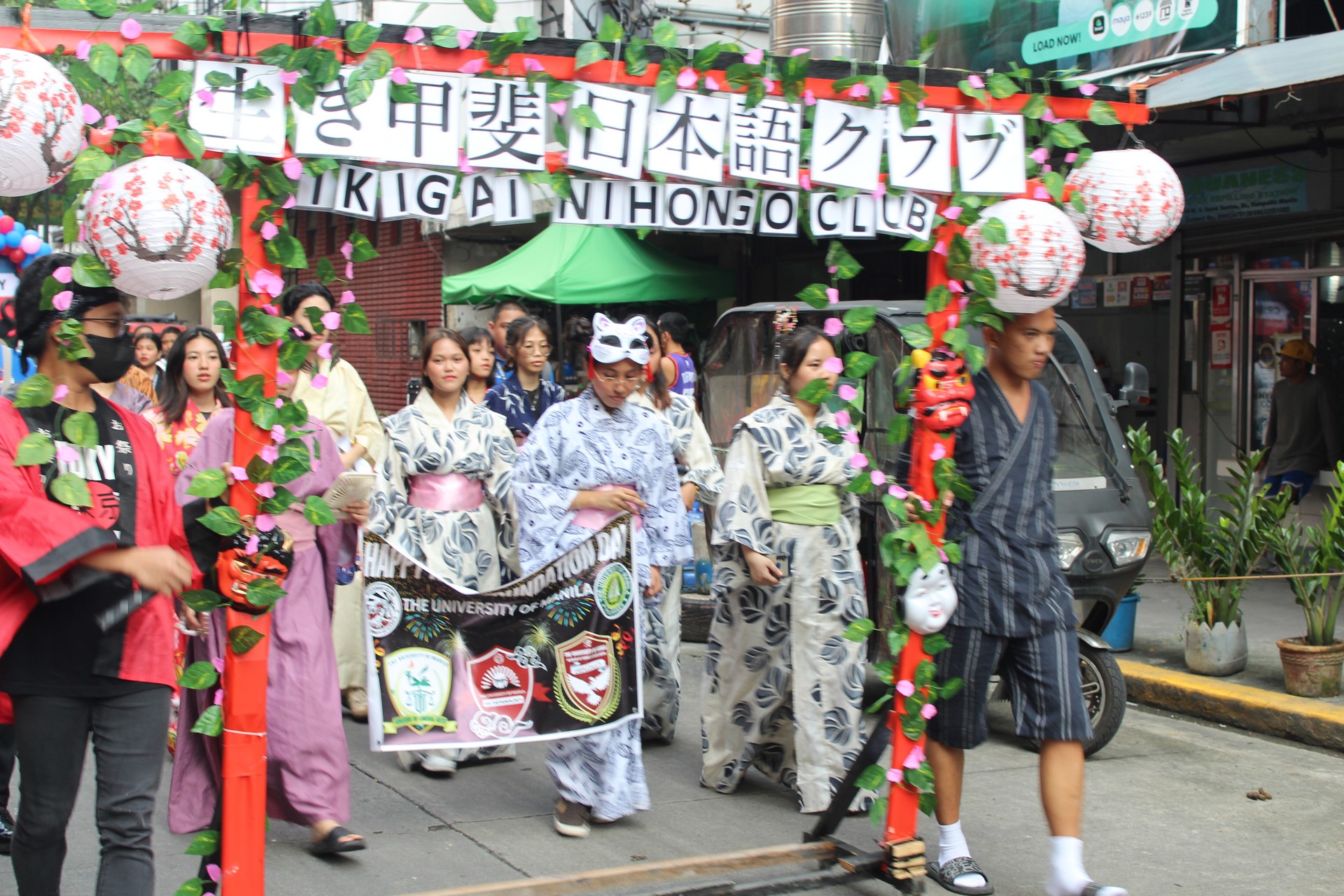
Foundation Day Celebration

The Foundation Day Celebration of the University of Manila is an annual event held to commemorate the establishment of the institution and to honor its rich history, achievements, and contributions to education and society since its founding in 1913. The celebration serves as a reminder of the University’s enduring commitment to academic excellence, character formation, and community service. The celebration also serves as a venue for reflecting on the University’s journey, recognizing the contributions of its founders, leaders, educators, alumni, and stakeholders who have played vital roles in its growth and development. Through these commemorative activities, the University reaffirms its vision, mission, and commitment to producing competent, responsible, and service-oriented graduates.

Year-End Party

The University of Manila Year-End Celebration is an annual event that brings together administrators, faculty, staff, and members of the University community to celebrate the accomplishments, milestones, and shared successes of the year. It serves as an opportunity to express gratitude for everyone’s dedication and hard work while fostering unity, camaraderie, and school spirit.

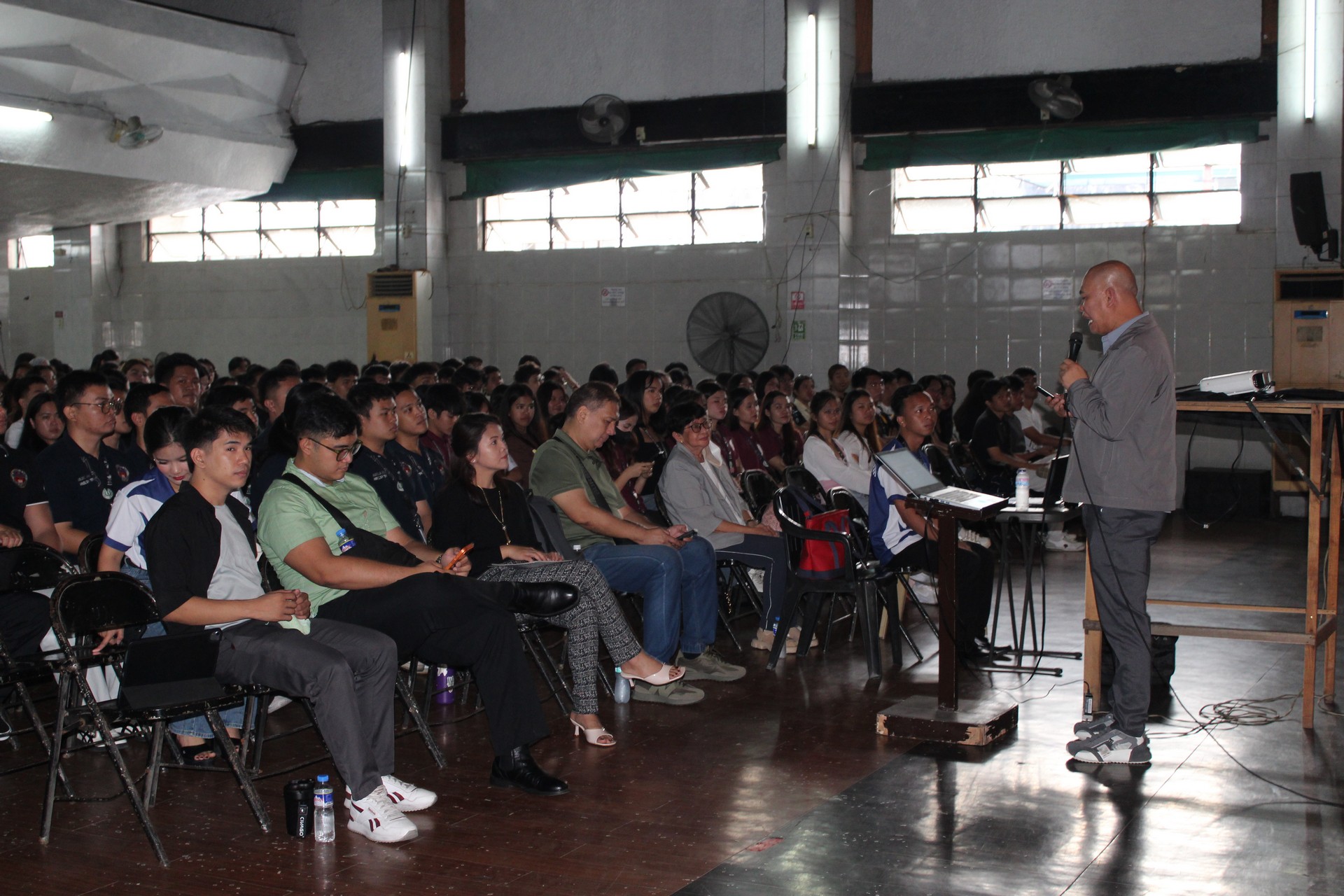
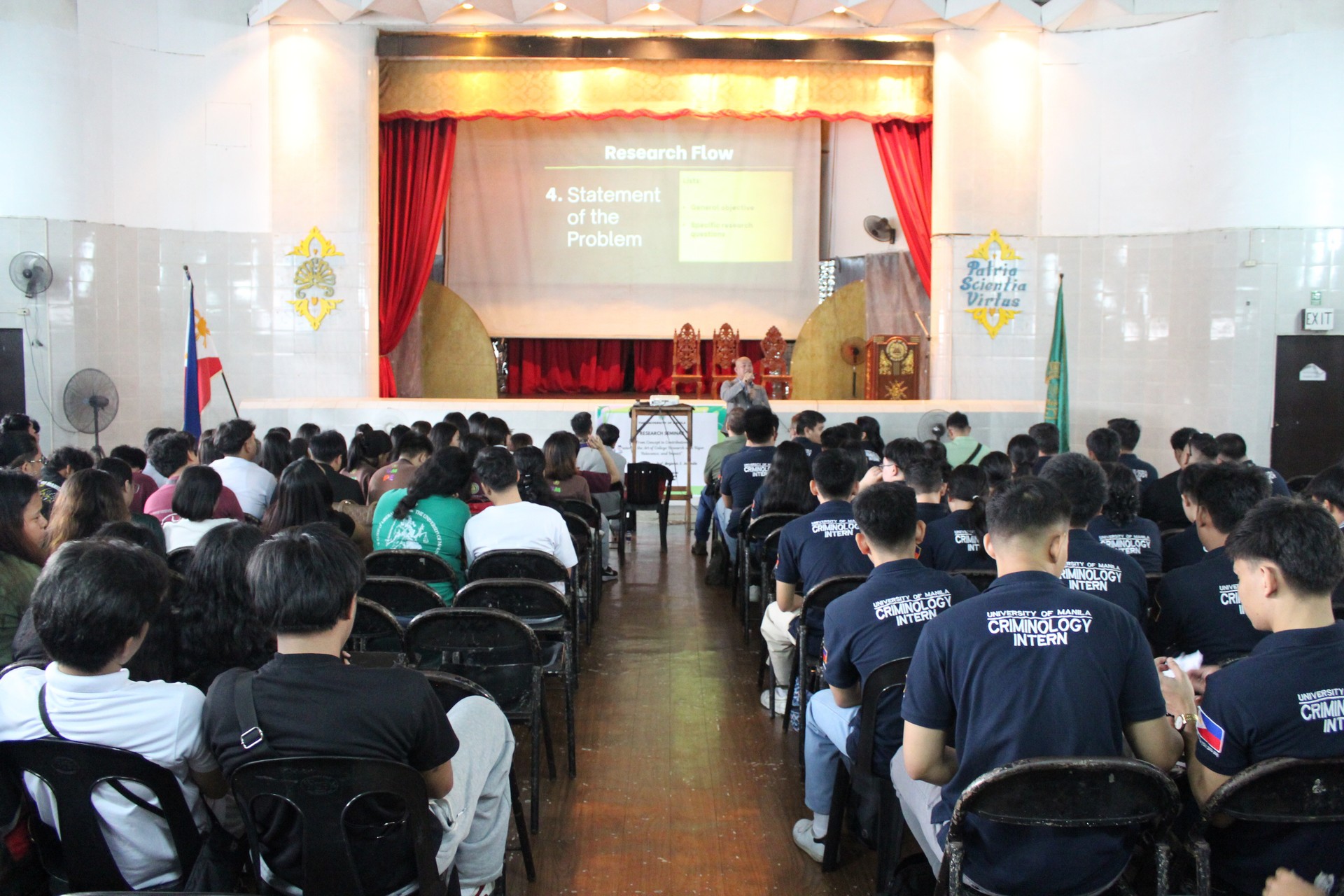
Research Seminar

The University of Manila Research Seminar for Students is an academic activity designed to enhance students’ knowledge, skills, and appreciation of the research process. It provides participants with valuable insights into identifying research problems, reviewing related literature, selecting appropriate research methodologies, analyzing data, and presenting research findings. The seminar also exposes students to current trends, ethical standards, and best practices in conducting quality research across various disciplines.
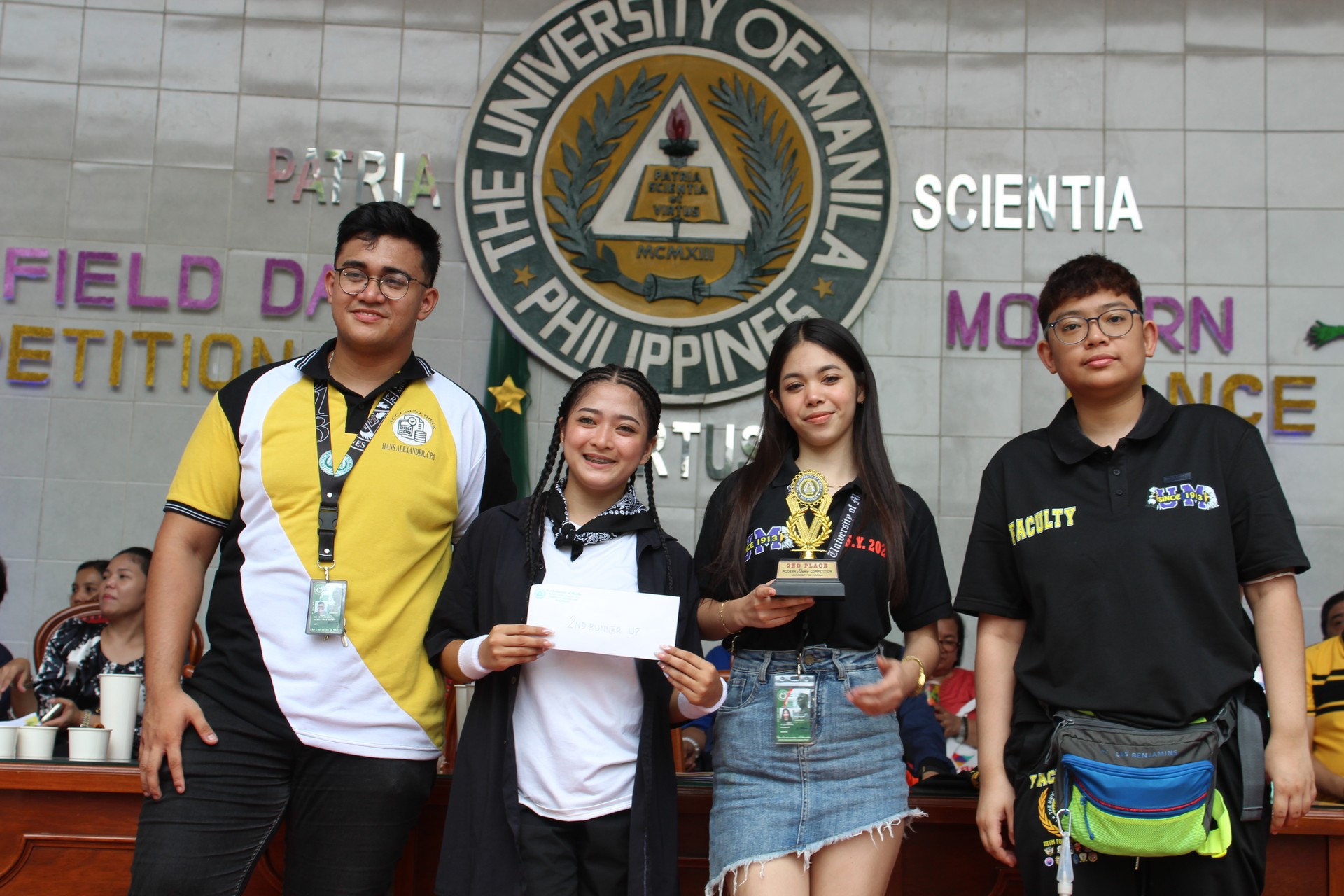
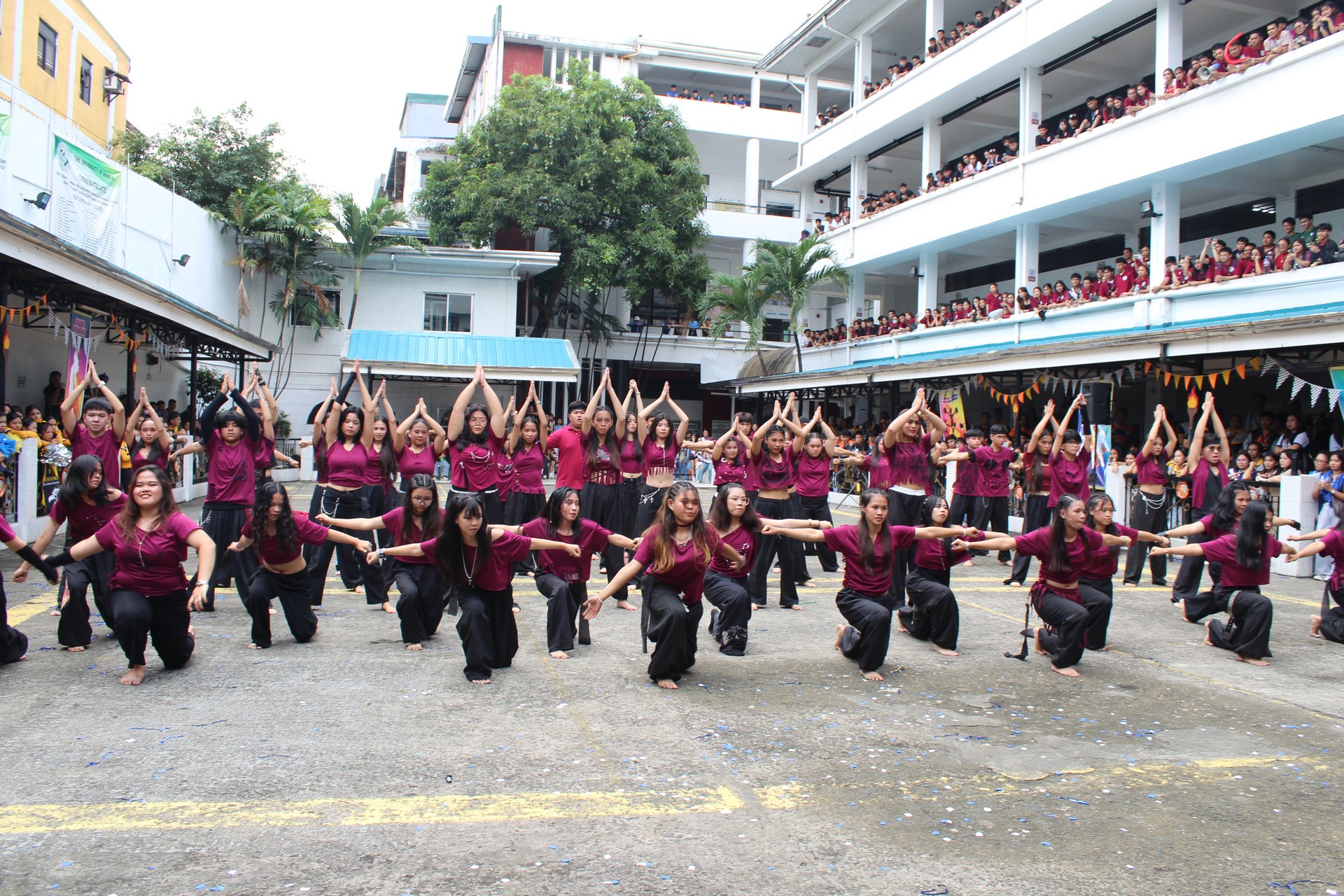
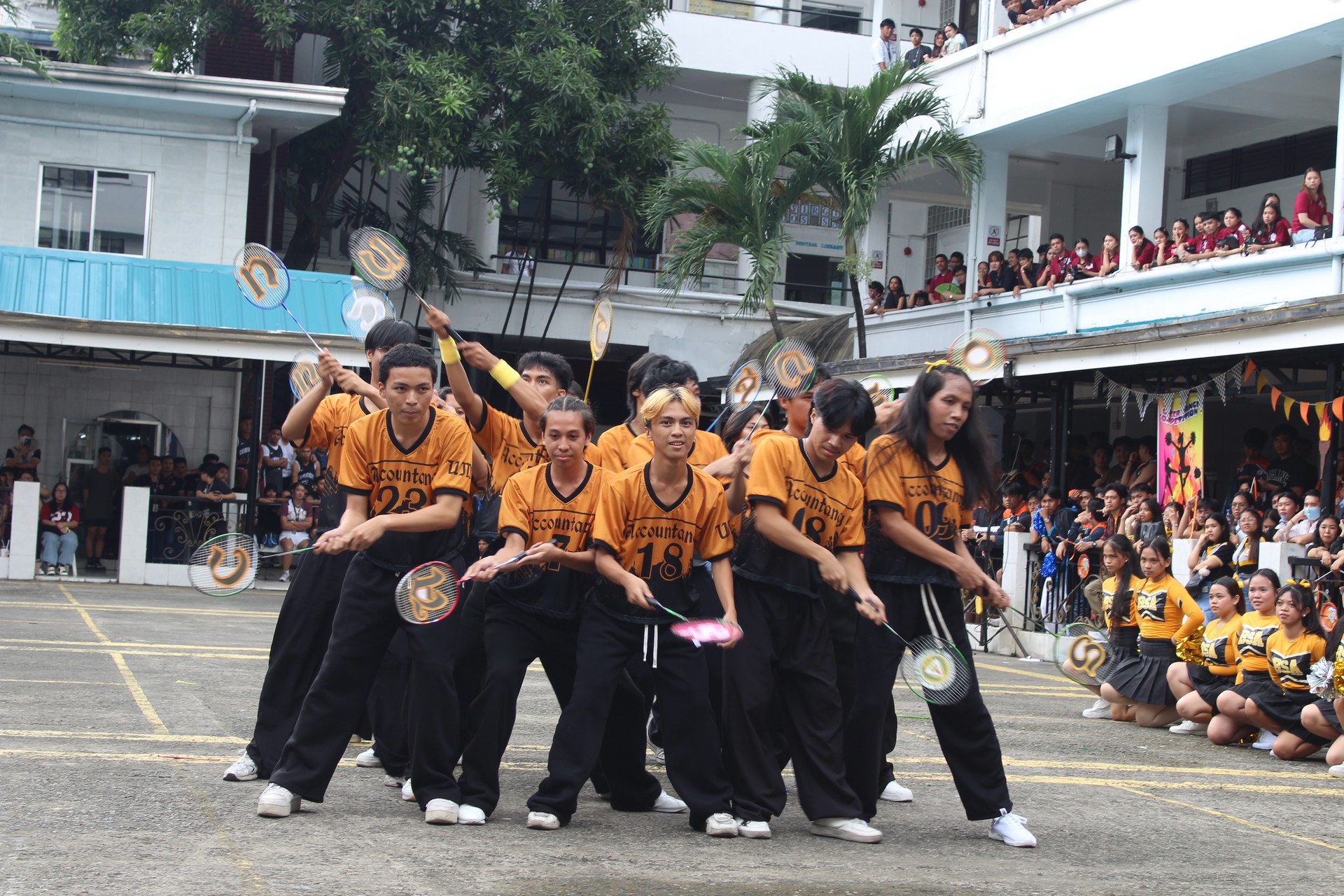
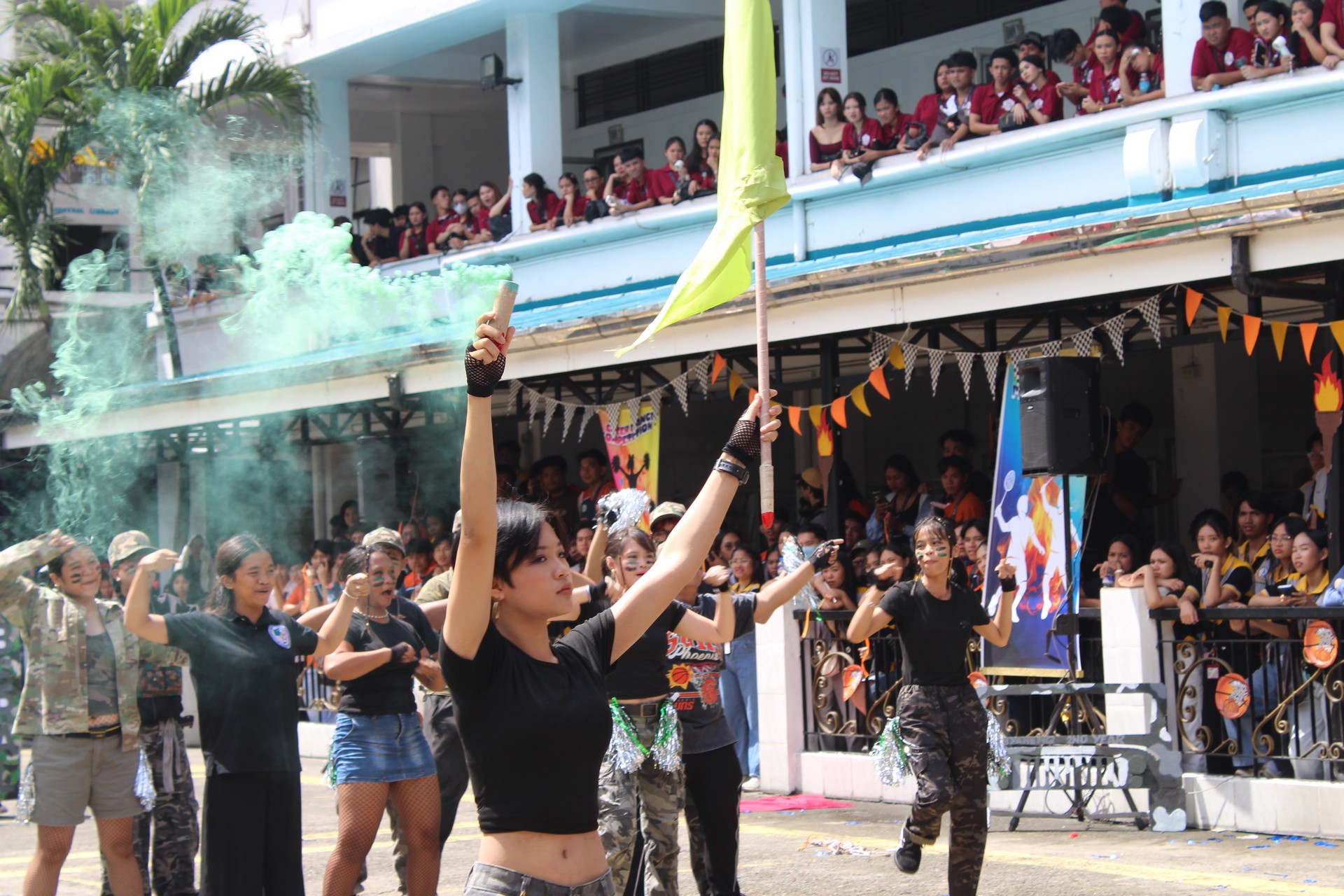
Intramurals

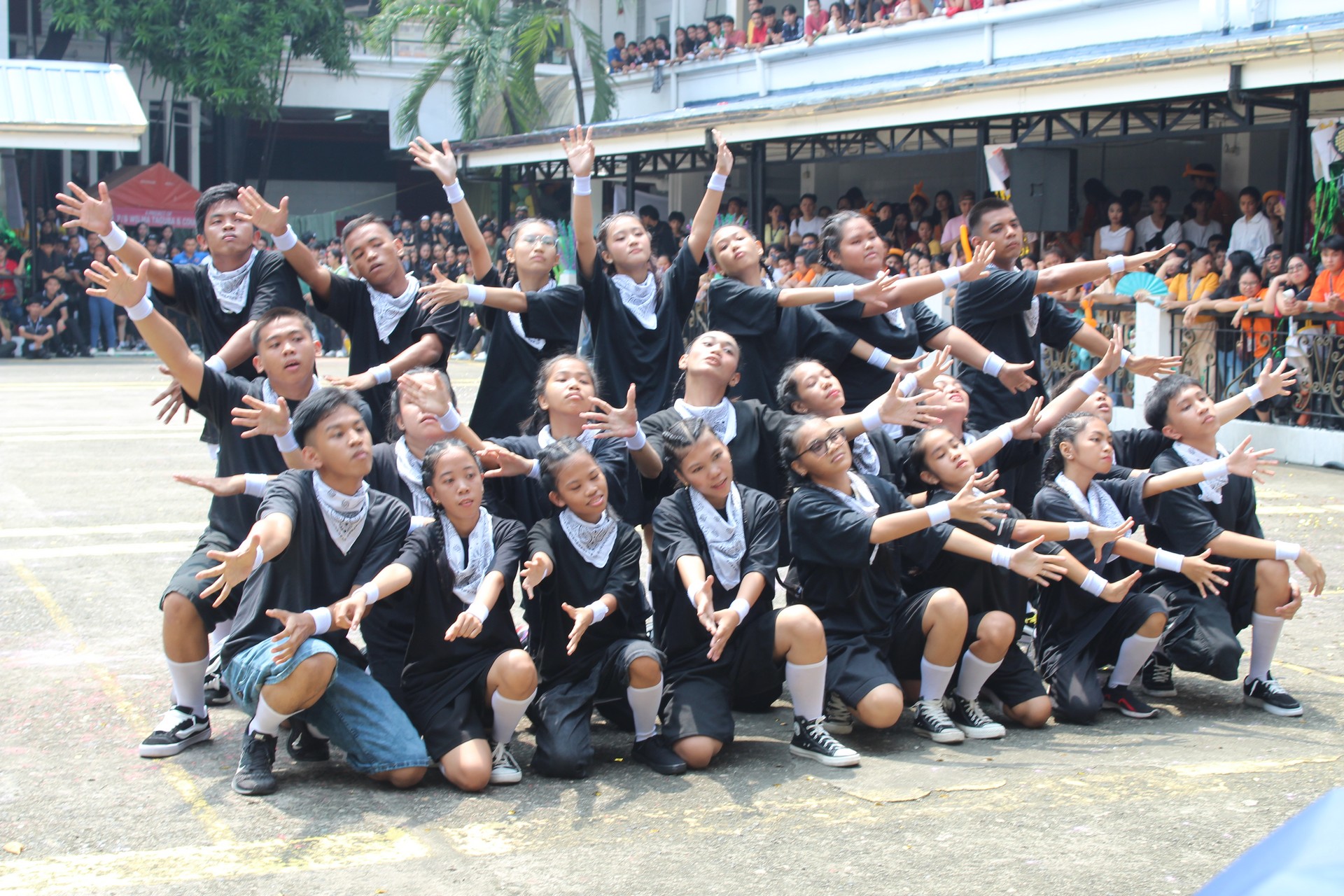
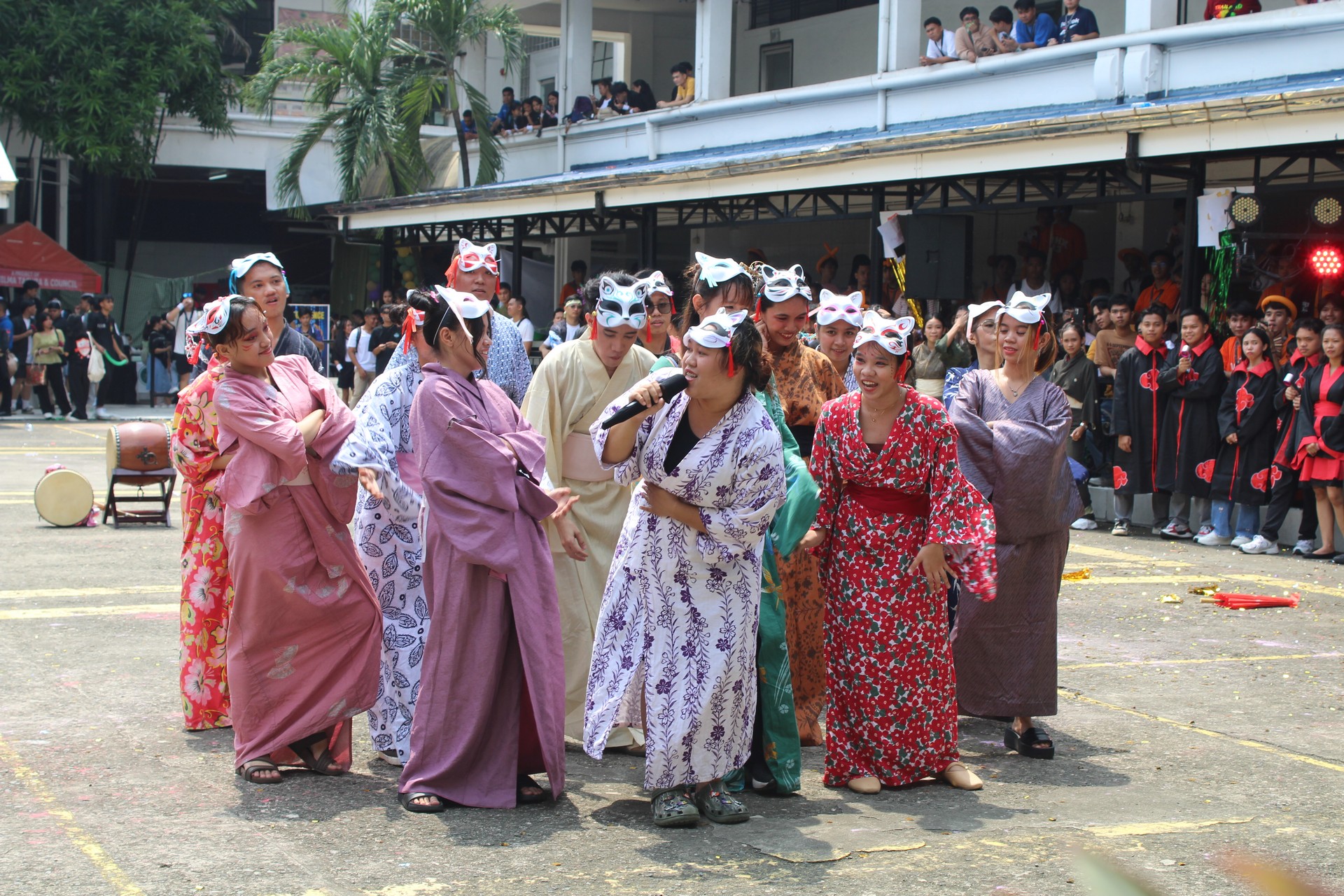
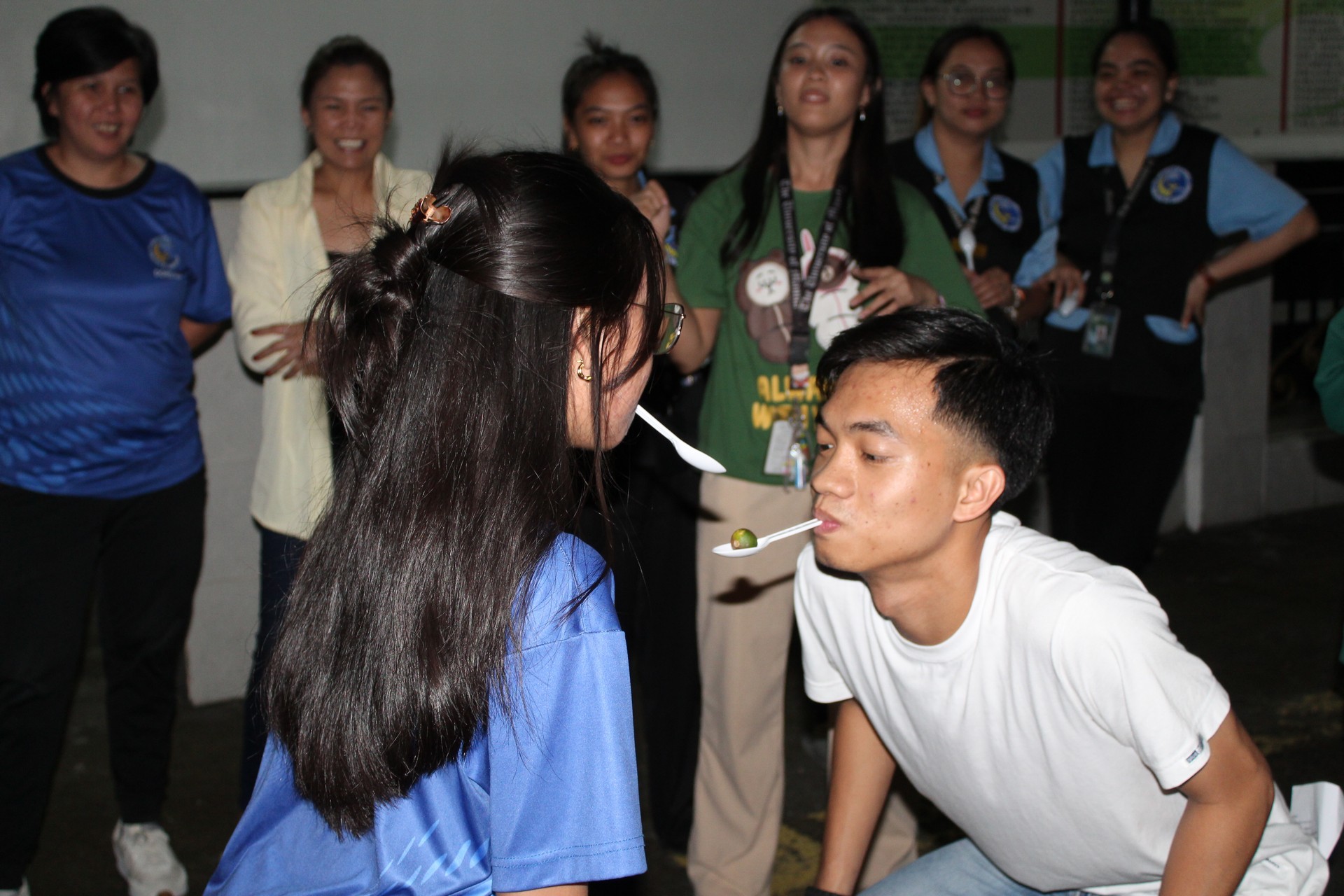
The University of Manila Intramural Celebration is one of the University’s most anticipated annual events, bringing together students, faculty, administrators, and staff in a week of sports, cultural activities, and friendly competitions. It provides an opportunity for the different colleges and departments to showcase their athletic abilities, talents, teamwork, and school pride while promoting healthy competition in a fun and inclusive environment. The celebration typically features various sporting events, cheer and dance competitions, cultural presentations, and recreational activities that encourage active participation from the entire University community.

Graduation Mass

Graduation Mass lies in its emphasis on faith, gratitude, humility, and service. It reminds graduates that academic success is accompanied by the responsibility to use their knowledge, skills, and values for the betterment of society. The celebration encourages them to uphold integrity, compassion, and excellence as they pursue their chosen careers and become responsible citizens. In keeping with the University of Manila’s guiding ideals of Patria, Scientia et Virtus, the Graduation Mass inspires graduates to serve the nation with competence, wisdom, and moral character.

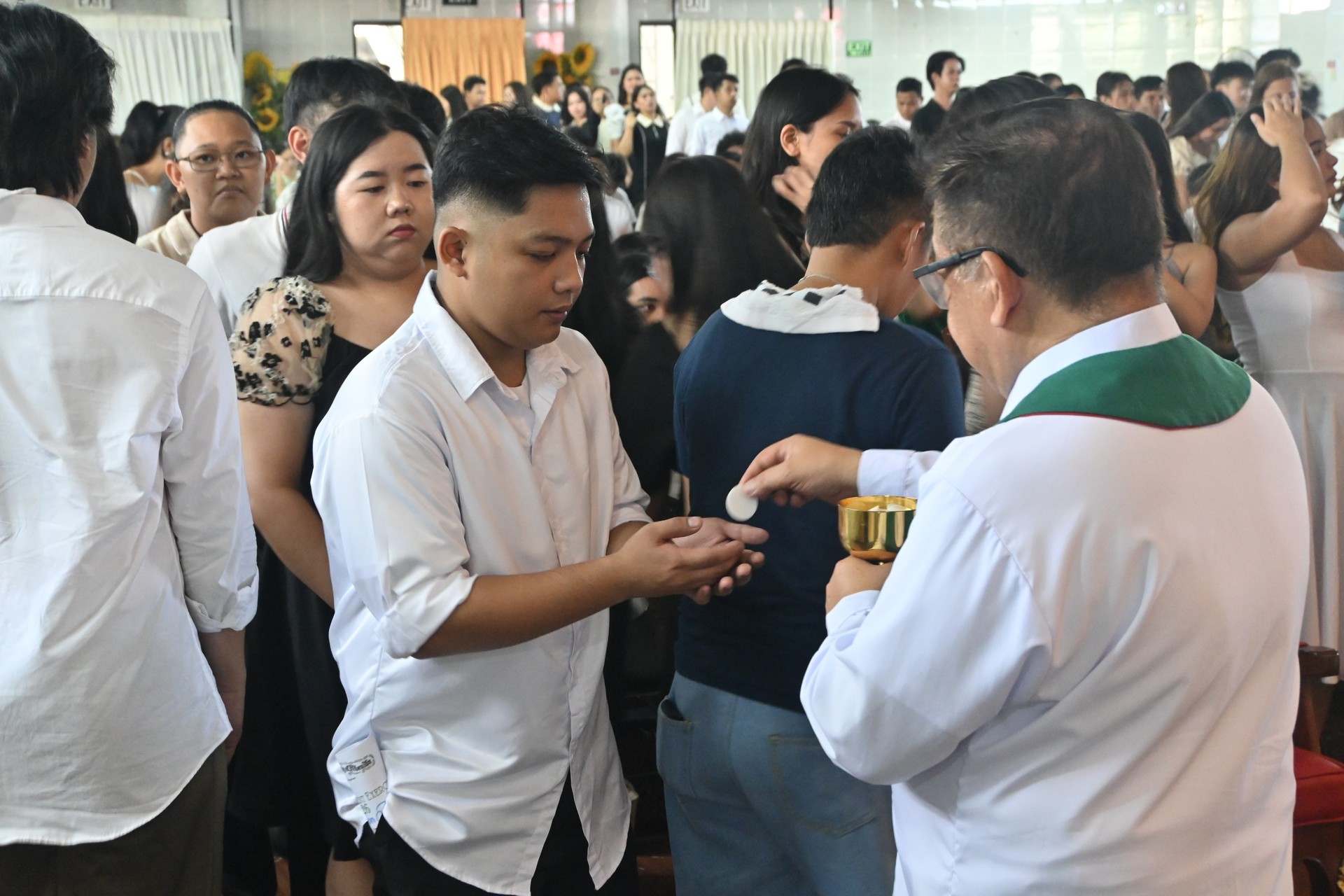
Baccalaureate Mass

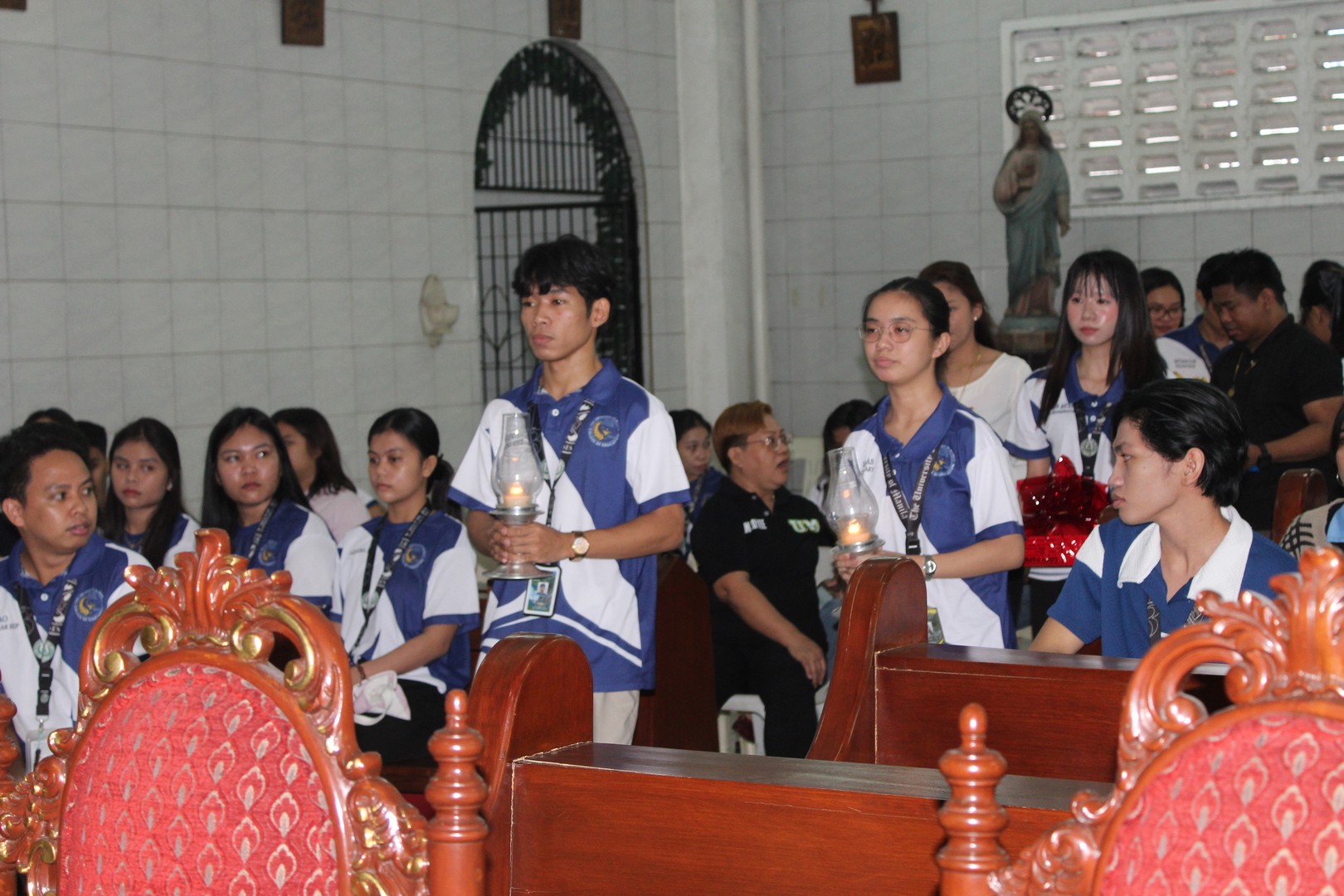
The University of Manila Baccalaureate Mass is a solemn thanksgiving celebration held in honor of the graduating students before the Commencement Exercises. It marks the culmination of their academic journey and provides an opportunity for graduates, together with University administrators, faculty members, staff, parents, and loved ones, to express gratitude for the blessings, guidance, and achievements they have received throughout their years of study.

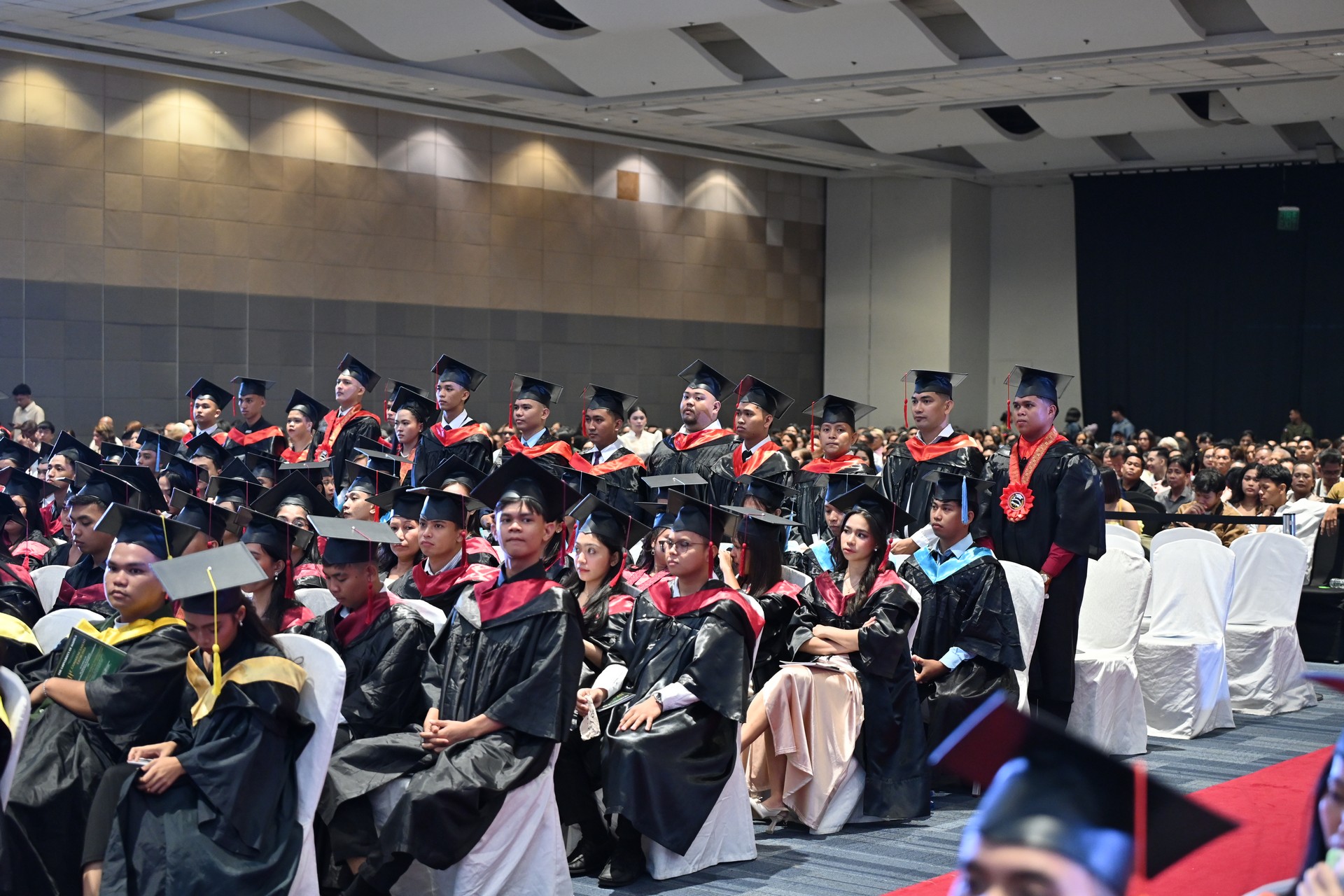
Commencement Exercise

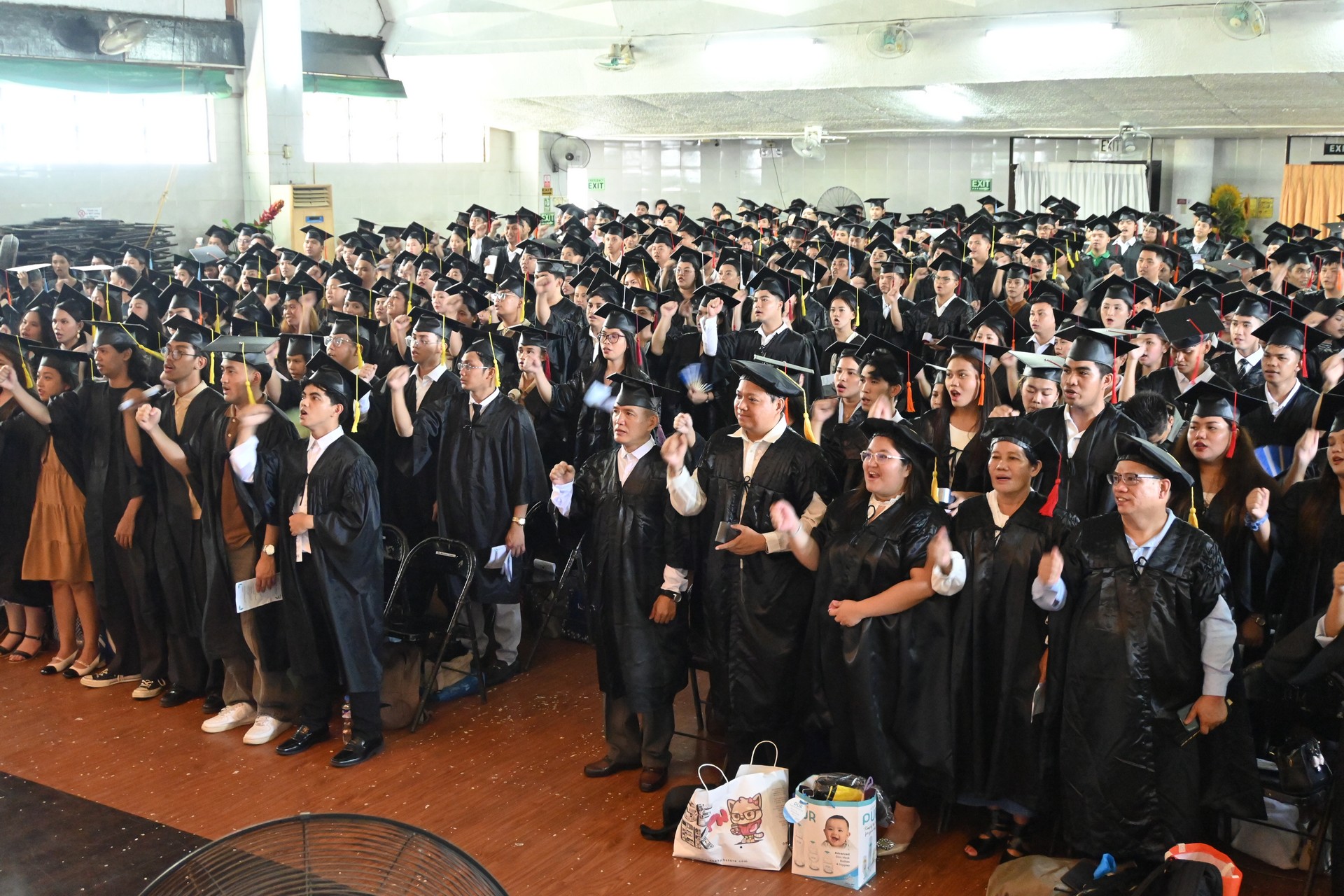
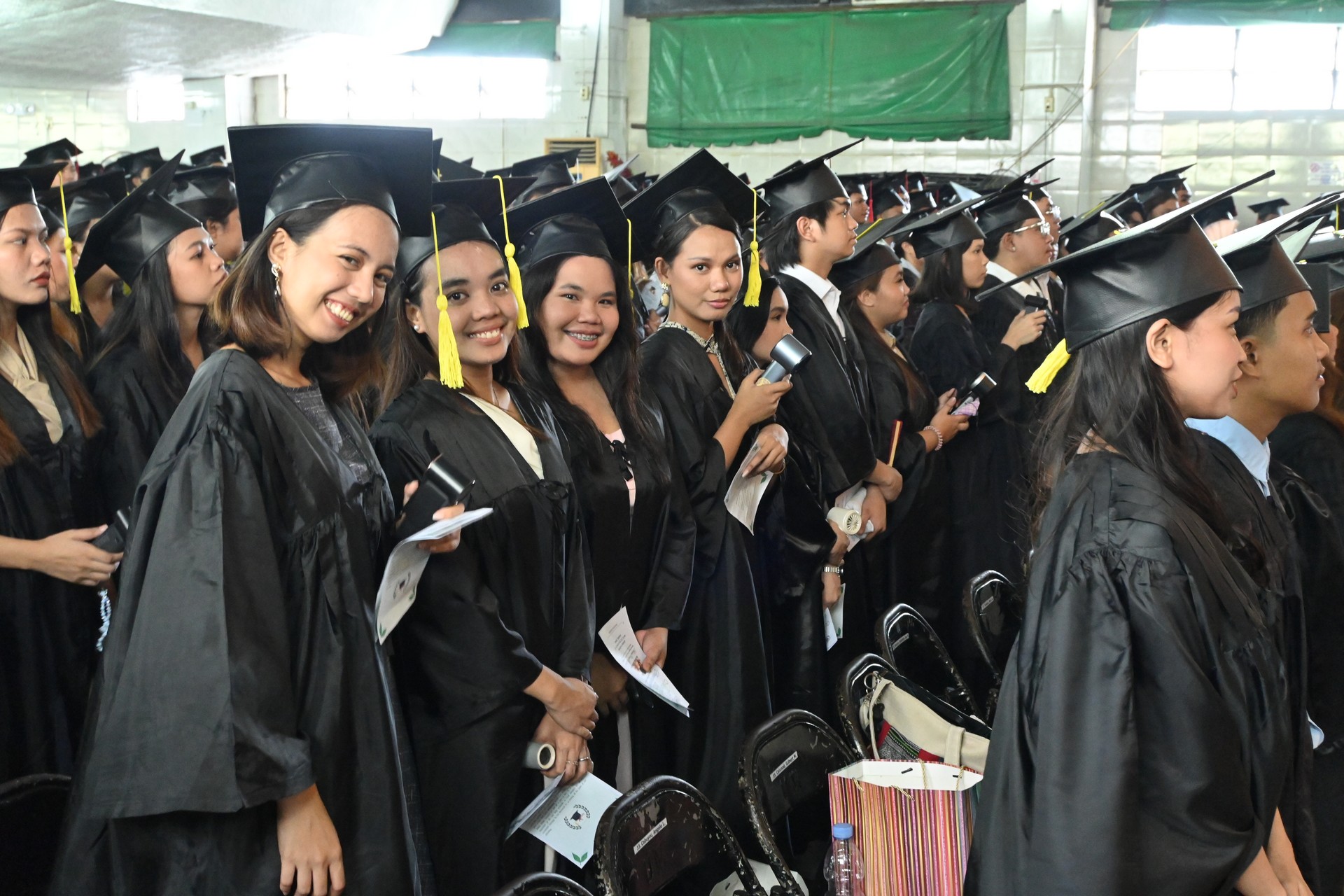
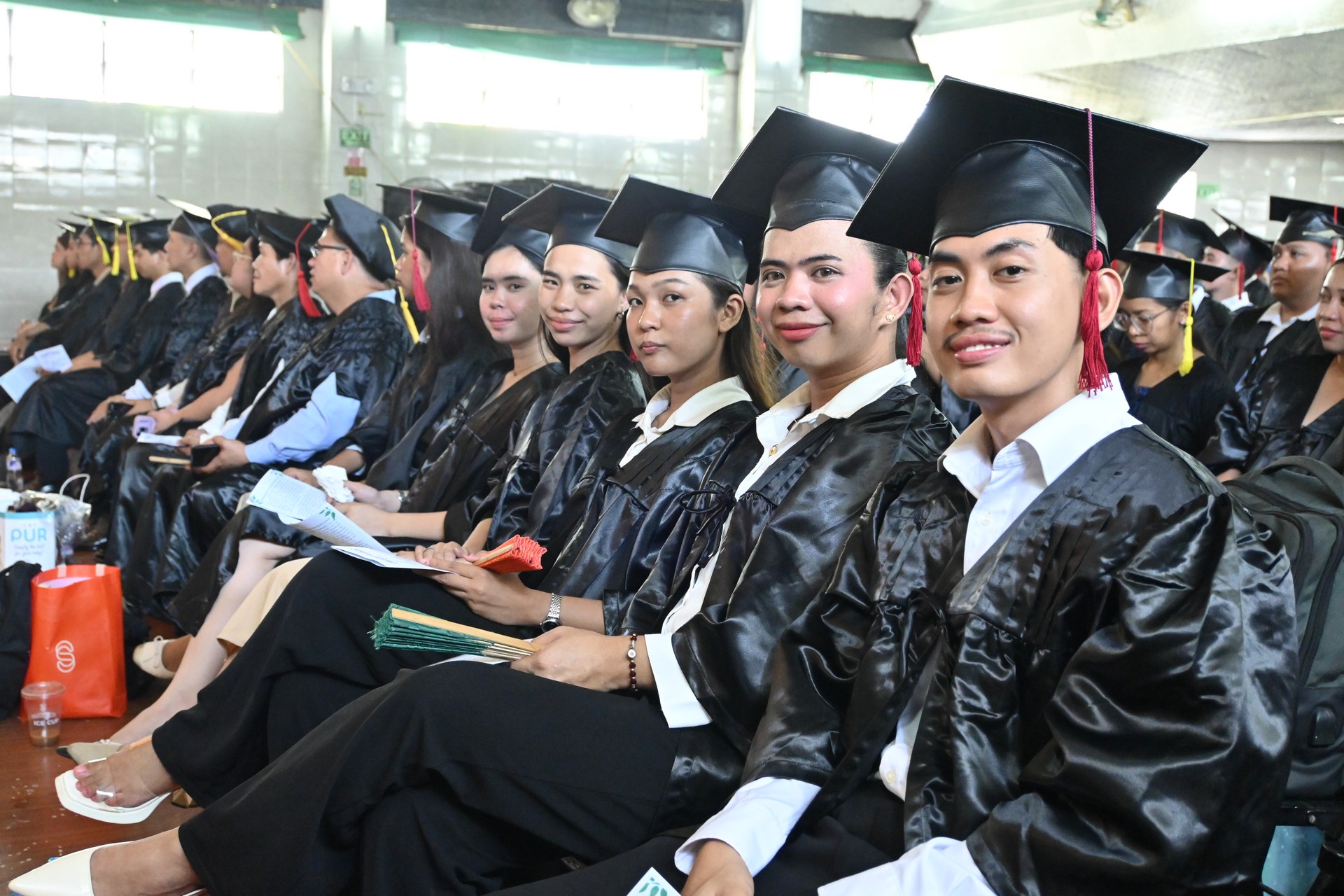
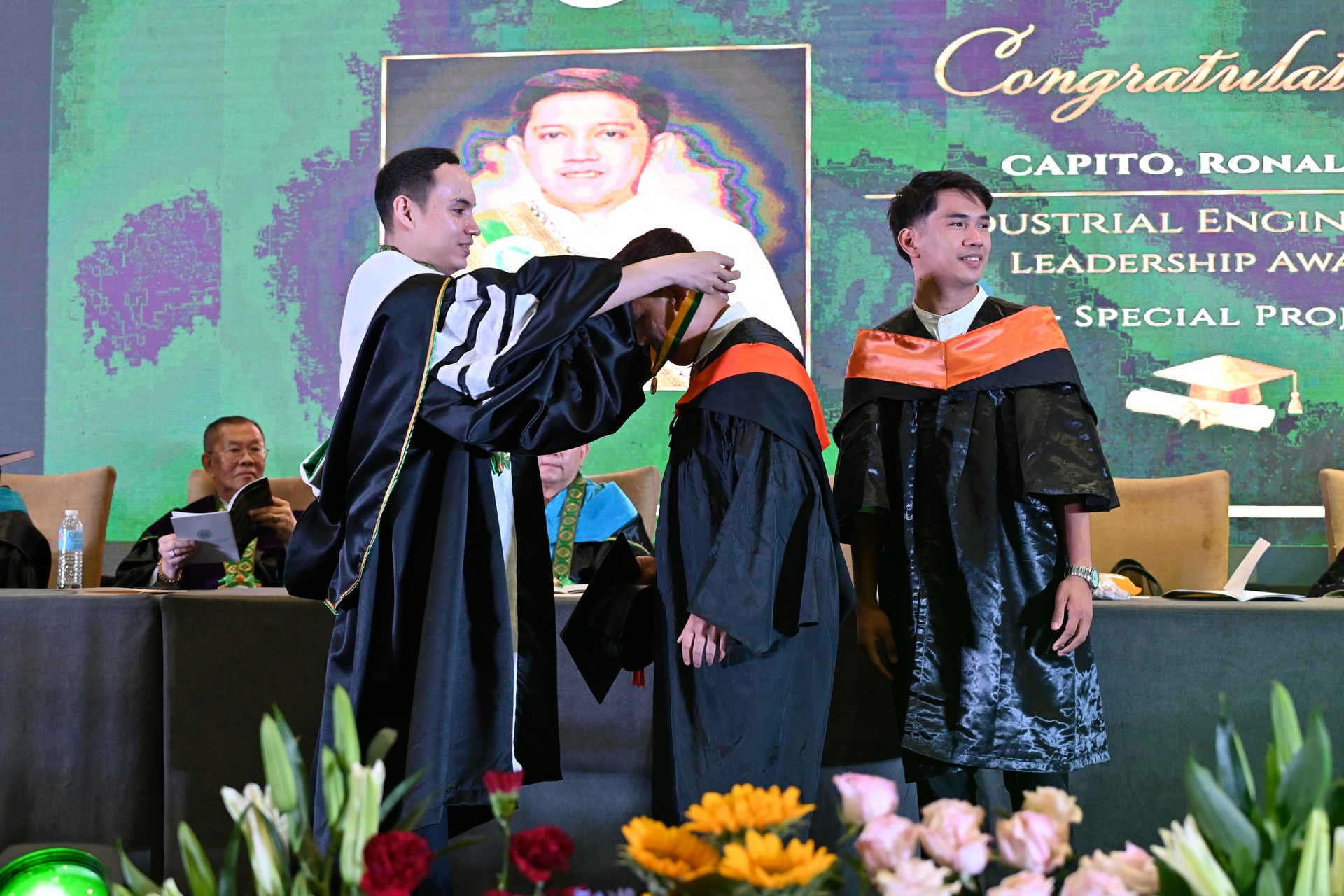
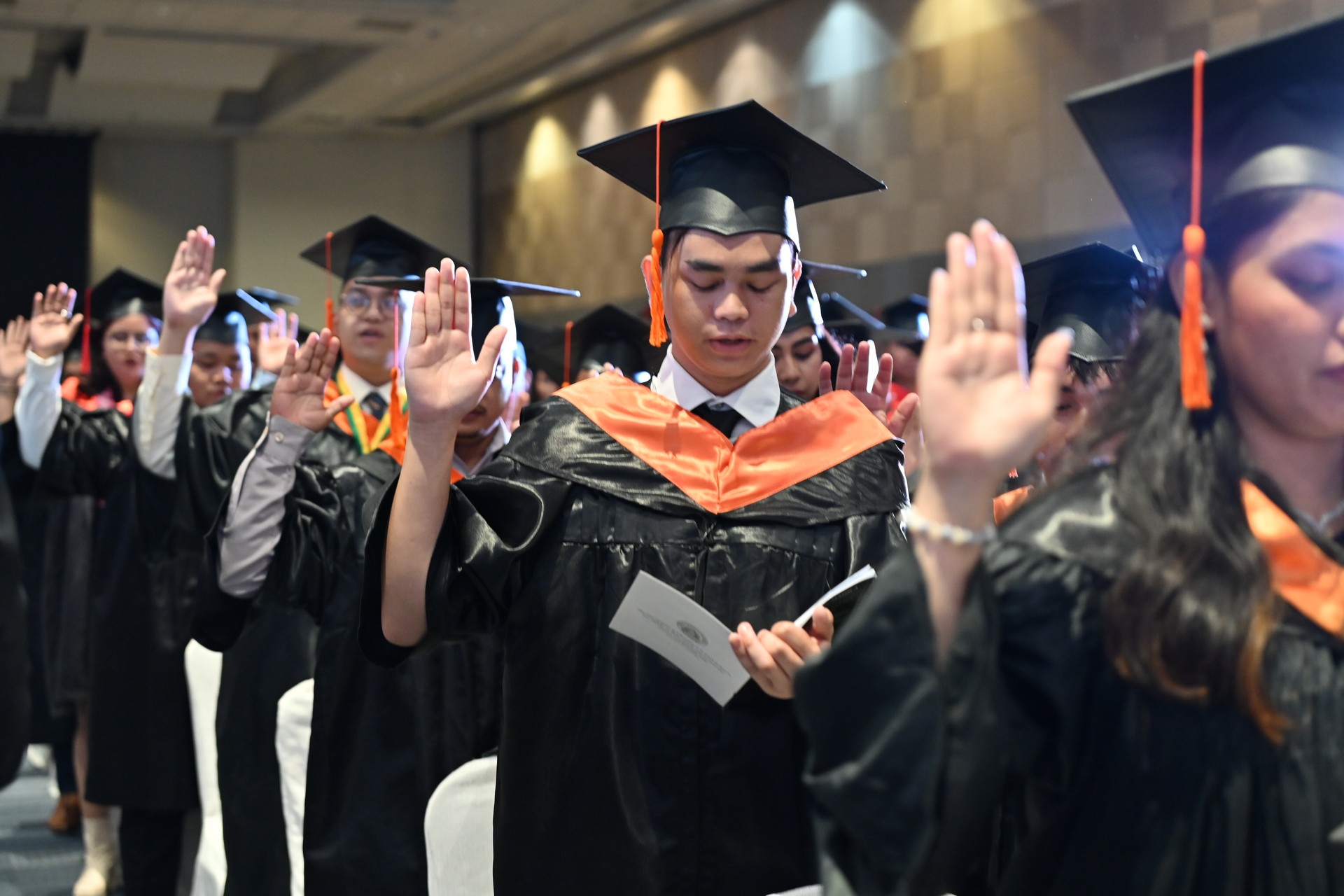
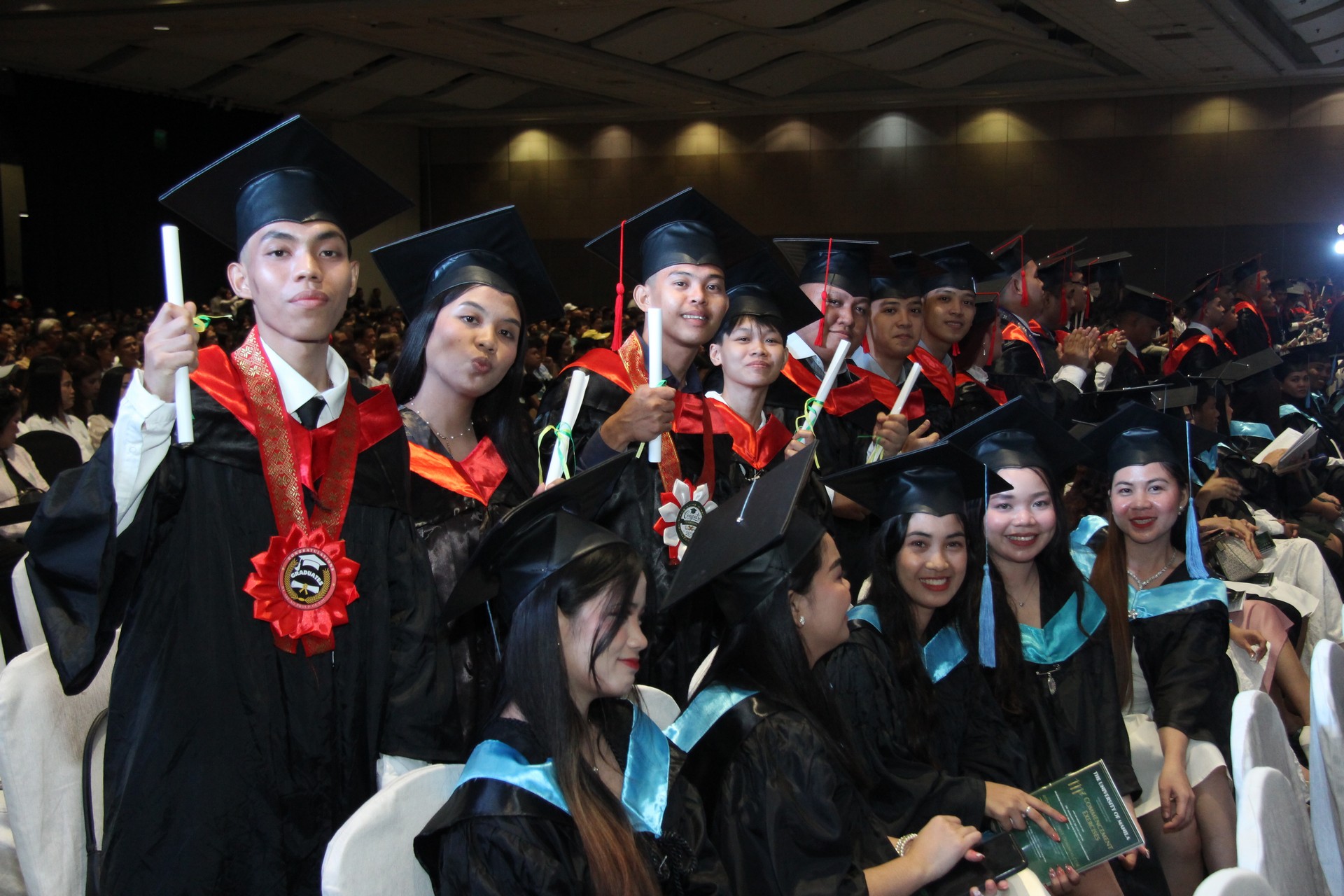
The University of Manila Commencement Exercises mark the formal culmination of the students’ academic journey and celebrate the successful completion of their respective degree programs. This significant milestone brings together graduates, their families, University officials, faculty members, staff, alumni, and distinguished guests to recognize the graduates’ hard work, perseverance, and academic achievements.

Student Development Program

Student Activity Program

The Student Activity Program is carried through consultation, as it is designed to directly assist the students and student leaders in the conduct of projects and programs of handling problems of the class and the organization.

Physical Fitness Program

The University gives attention to the physical development of the students. Students develop physical fitness through the Physical Education Program, the intra- and extra-mural athletic activities. As curriculum requirements of the CHED, a student has to take eight (8) units of Physical Education in 4 semesters. Courses offered in P.E. include: gymnastics, folk dance, rhythmic activities, dances and sports and games.

       A. Intramural Athletics Program- The University holds its yearly intramural games: its primary aim is to promote physical fitness sportsmanship, and healthy competition among students.

       B. Varsity Athletics Program- The University’s varsity athletic program aims to train students in their physical endeavors, not only training them but the University also gives athletic scholarships, food allowances and living quarters.

Religious Formation Program

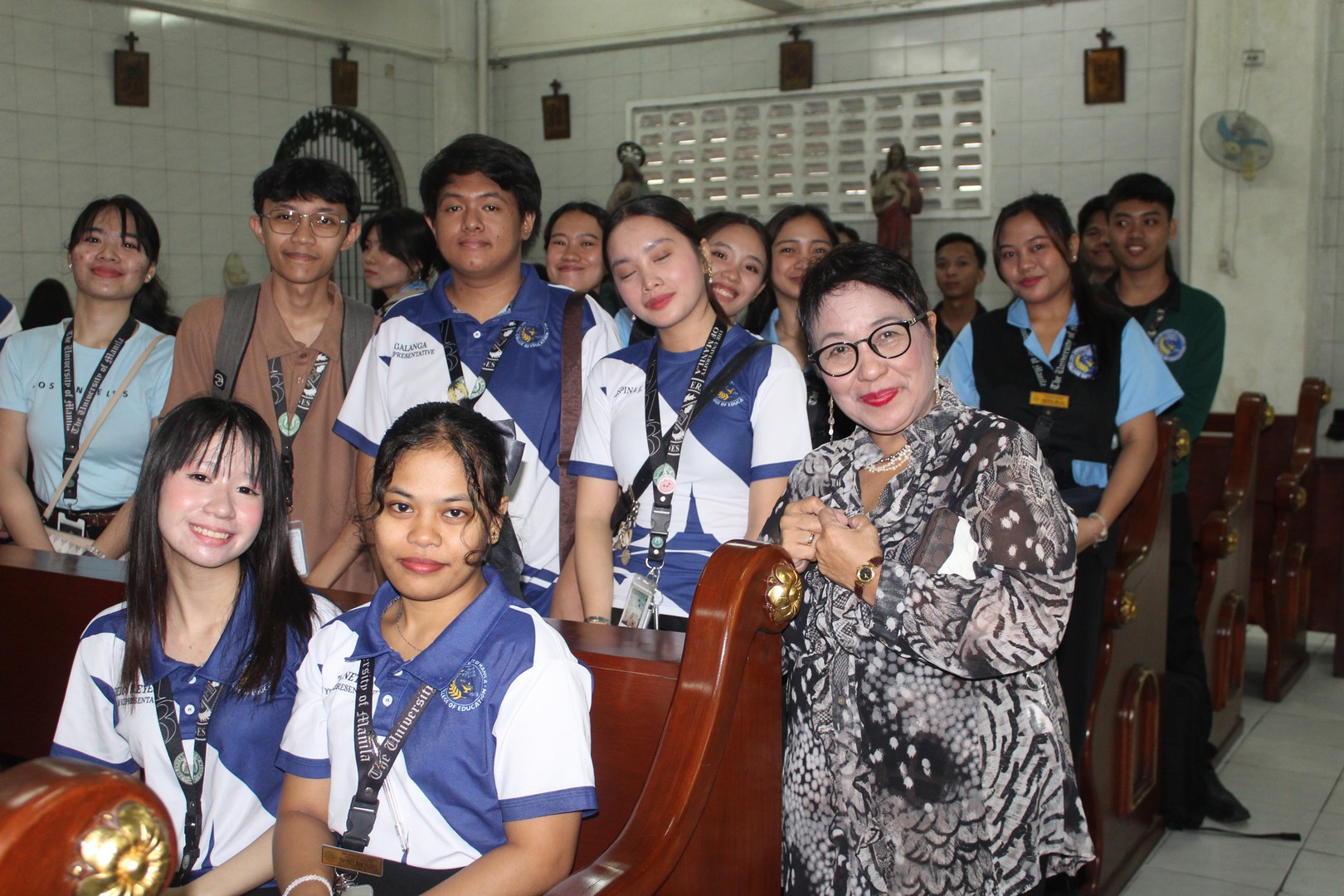
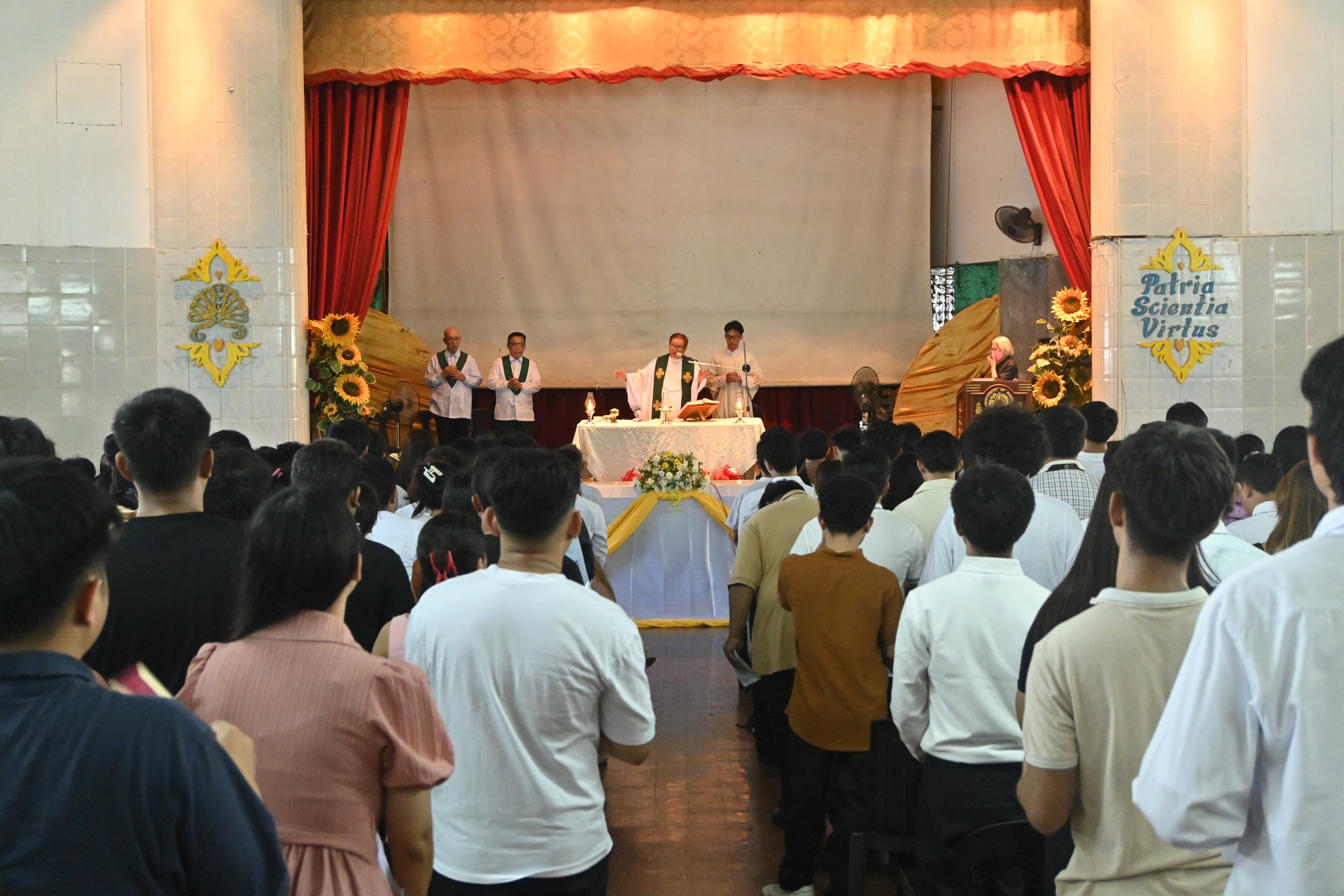
The religious formation program of the student is one of the essential components of the educational objective of the University of Manila. The religious services, activities and facilities provide students with opportunities to develop a closer relationship with God and their fellowmen. The coordinator takes charge of the services and other religious activities.

       A. Weekly Masses- The University offers students an opportunity to attend weekly masses. The mass is celebrated every Thursday morning at the University chapel.

       B. Community Masses- Students are encouraged to attend the community mass, which is celebrated on every College day of each department and on every important occasions of the University.

Student Services

Library Services

The library is considered an integral part of instruction and research; thus, the University has a main library and satellite libraries that provide the printed materials and software needed by the academic community in the teaching-learning process and in research and development.  The library has the OPAC (Online Public Access Catalog).

Learn More about our University Library

Health Services Program

The University provides medical and dental services to meet health needs of students, faculty and school personnel in line with the thrust of the school to have physically fit students and personnel. The University medical and dental clinics are located at the ground floor of the main building. Both are open during weekdays and Saturdays included from 8:00 AM to 5:00 PM.

Guidance Services Program

The University of Manila Guidance Program aims to assist students to actualize their potentialities. Through the services and enrichment programs it provides, student are able to know themselves better, to develop effective study habits, deal constructively with their feelings, make appropriate decisions on their present and future plans.

The Office of the Guidance Services offers the following services:

  1. Appraisal – a service designed to assist the student in achieving a better understanding of themselves through the use of psychological tests, questionnaires and aptitude tests, etc.
  2. Information – maintains books in the Central Library and some light reading materials at the Guidance Office related to personality development, guidance, marriage and family, career and leisure. The books and other reading materials are designed to assist the students arrive at decisions affecting their present and future lives. Handouts on relevant issues are also distributed to the students for their guidance.
  3. Counseling – a student going through a lot of stress and difficulty is encouraged to verbalize these experiences with their year-level counselor. This program is also strengthened through its coordination with the different faculty members: as they too aid in the counseling of students.
  4. Career Development and Placement – the assistance given to students in choosing the course suited to their abilities and interest. Career pathing, job-related skills and attitude programs are conducted.
Faculty-Student Consultation Program

It is the objective of the University to provide students with quality education. Hence, it has created a faculty-student consultation program, which aims primarily to supplement classroom teaching.

The program provides the students an opportunity to consult the professors on academic and even non-academic matters. It presents an effective means by which both faculty and students can discuss matters and clarify topics regarding their academic performance.

Alumni Program

The University organizes the vital involvement of the alumni in the University and in the society. It aims to trace its alumni as to how they are living up to the expectations set forth by the University.

Learn more about our Alumni

Registrar's Office

The Registrar’s Office keeps the academic records of the students.  It provides a periodic evaluation of student academic performance in accordance with the requirements of the University and the Commission on Higher Education. The Records 1 and Records 2 assist the Registrar’s Office. 

Security Department

The University of Manila employs security guards that provide the school with 24-hour security. The security guards check all persons going inside the campus. They also provide round-the-clock security for cars parked inside the campus.

University Library

The library is a storage of brilliant ideas and words of people that have shaped the world.  According to Korsak (1994) “the library is the Heart of the University and the librarian is the Soul of the library”.  The UM library is composed of the Dr. Virgilio De Los Santos Central Library located at the 2nd floor of the Central Library Building, the Engineering Library at the 3rd floor of the same building. Bayani Virata Faylona Law Library (BVFLL) is located at the 2nd floor of the ABE Building. The HRM and Criminology Library (HCL), Business and Education Library (EBL), and the Mariano de los Santos Memorial Museum are housed at the 2nd floor of the Noli-Fili Building. While the Graduate Studies Research Center is located at the ground floor of the same building. Elementary and High School Library (EHL) is found in the Doña Patricia Building.

In order to keep up with the modern trends in library services, the library is using the open-shelf system.  The students get the books they need from the shelves, and thus the barrier between readers and books has been removed.  The OPAC system is installed at the Central Library that facilitates search for the titles of reading materials.

This system further aids the students and faculty members in the use of library materials.  The library maintains inter-library loan relations with a number of other libraries in Metro Manila.  Faculty members and students are informed from time to time of new acquisitions.  Notices about such acquisitions are posted on the Library Bulletin Board, which is located at the lobby of the Central Library.

The library is considered an integral part of instruction and research; thus, the University has a main library and satellite libraries that provide the printed materials and software needed by the academic community in the teaching-learning process and in research and development.  The library has the OPAC (Online Public Access Catalog).


THE CENTRAL LIBRARY

Dr. Virgilio De Los Santos Library is the central library located at the second floor main building. The central library has collections that include the reference materials in all the course programs of the University, encyclopedias, dictionaries,  bibliographies, biographical  dictionaries,  atlases, gazeteers, almanacs, yearbooks,  annals and university catalogs.

The Central Library also takes part in the orientation program for freshmen and transferee  students.  It has computer and internet facilities where bonafide students  and other university-based  users like administrators,  faculty and employees are allowed to use the said facilities  subject to its rules and regulation.  This houses the social sciences  collection  and the filipiniana section.

The Central library provides internet services.  In a fast-paced and highly  information conscious world, the use of internet  is deemed  necessary.  Access and retrieval of knowledge has been  done through   the information highway.  The Library and the Computer Center  of the University  has provided internet terminals  for the users.  The Chief Librarian  and the staff are available  to facilitate the use of the internet for the assignment and research work of its users.


THE SATELLITE LIBRARIES

  • The Law Library
    The Law Library is located at the second floor, left-way area of the same building.  This library caters to the needs of law students, bar examinees, and qualified off-campus researchers. It provides  collections used for legal research.  Reference materials such as Philippine Reports Annotated and Supreme Courts Annotate, which contains decisions of cases are also available. Philippine laws and jurisprudence  such as the official Gazette, the lawyers review, Journal of the Integrated Bar of the Philippines, and publications of some local and foreign  law schools are found here.
  • HRM and Criminology Library
    The HRM and Criminology Library is located at the second floor of the Noli-Fili building.  It houses  books on different  subject areas like English, Science, Filipino, Mathematics,  Literature,  Social Science  and book collections are other  reference materials  of HRM and Criminology students and faculty members.
  • High School and Elementary Library
    High School and Elementary Library is located at the  first floor of the High School and Elementary  building.  This library houses local and foreign magazines,  maps, and globes.  It has its book collections  and general  reference books  which cater to the secondary  and elementary curricula.
  • The Engineering Library
    The Engineering library  is located at the third floor  of the main building. It houses book collections  and other reference materials  in Engineering.  Latest editions  of references  and professional journals are found in the library.  The satellite library has also internet access.
  • The Graduate Studies Library
    The Graduate Studies Library is located at the ground floor of the Noli-Fili building.  Its collections  include books  and reference materials, which  are used by the students in preparing  their reports and research  projects.  The library has laptops for the use of the students  and are provided with internet access.

The Library Collections

The pre-war collections of the Library has been enriched by the donations received from the YMCA, the American Book Center, the UNESCO, the Asia Foundation, Japan Foundation, some alumni of the University of Manila, and purchases made locally and internationally since liberation. The HRM and Criminology Collections is housed in the HCL Library, the law collection in the BVF Law Library and the greater bulk of the total collection is in the Central Library. The division has been found necessary for the convenience and better service to our students and faculty members in their researches and readings. The Library has subscriptions to local and foreign periodicals.

Classification of Books and other Library Materials: General Reference Books:

(Dictionaries, encyclopedias, yearbooks, atlases, hand books and others) are all non-circulating and should not be taken out of the reading room. The collection is located in open shelves and the Reference Section maybe used without being signed out.

Reserved Books:
These books are reserved by the faculty members to be used in their classes. These books are placed on reserved shelves and can be readily used upon request by the faculty members concerned. They may take the reserved books out of the library only for classroom use.

General Circulation Books:
Maybe borrowed for overnight use, subject to renewal for a certain length of time unless the books have been reserved by other students or faculty members. All students are entitled to borrow not more than two general circulation books at a time. Renewal of these books maybe granted if they are not in demand. Books borrowed for overnight use maybe checked out at 6:00 p.m. and should be returned the next day at 9:00 a.m. the following morning.

Filipiniana and Rizaliana Collections:
These collections are located on closed shelves and are charged out at the loan desk.  The use of these books is limited to one hour and not to be loaned for overnight use.

Theses:
Are for room use only and are not be photocopied.

Periodicals (Magazines and Newspapers):
These collections are to be read only in the reading section of the library. If one wishes to use these materials else where in the library, permission must be obtained from the staff in charge of the collection. Current and back issues of newspapers and magazines maybe taken out of the library only upon expressed permission and on condition and terms prescribed by the Chief Librarian and/or the Asst. Chief Librarian.

Vertical Files:
Maybe borrowed for classroom/ photocopying purposes.

Other Library Materials (Maps, Globe, and Film Strip & etc.):
These library materials maybe loaned only upon written request by the borrowers.

Information Technology (Computers, Internet and CD-ROM):
The use of hardware and program assistance from the staff requires.

WHO ARE ENTITLED TO BORROW

  • All bona fide students officially enrolled for the current school year and with UM ID.
  • Faculty members, administrators and regular employees are entitled to borrow books and other library resources from the University Libraries, subject to its rules and regulations.
  • Users from other schools with referral letters from their respective librarians. The borrowed books are for in-house use only.

CONDUCT IN THE UM LIBRARY

Like any other libraries, the library is not a meeting place, but it is a place for study and research. Users should therefore remember that:

  • Students, faculty members and visitors should register in the library logbook at the counter before entering the library area.
  • Deposit your bag at the counter and get your claim tag.
  • Bring with you your valuables like cellular phone and wallets inside the library. Do not leave valuables inside your bag.  The library staff will not be responsible for any loss.
  • Proper conduct inside the library is expected from the users at all times. Anyone causing disturbance will be asked to leave the library.
  • SLEEPING, SMOKING, EATING, DRINKING, LITTERING AND GROUP DISCUSSION are strictly prohibited inside the library.
  • Users of card catalogue should return catalogue trays after use. Or ask the assistance of the library staff to use the OPAC system.
  • Seats in the library may not be reserved, The library staff may remove anything left on the table to make room for other users.
  • Wearing of CAPS, HATS, VISORS and the like are strictly prohibited.
  • Using the electrical outlets in the library is strictly prohibited.
  • Mobile phones must be kept on silent modes.
  • Library services will be closed fifteen (15) minutes before the required closing time to enable the staff members to put the library in order.
  • Honesty is expected of all library users. Mutilation and vandalism of Books will be penalized.
  • Observe proper decorum inside the library.
  • Any violation of the code may result to reprimand, suspension or expulsion based on the gravity of the offense.

POLICY FOR LOANS AND RECALL CARDS OF FACULTY MEMBERS AND PERSONNEL

A. Loans for faculty memebers and personnel

  • Books for general circulation: Faculty members and personnel may borrow more than two books from the general circulation for two weeks, renewable for another two weeks, unless the books are urgently in demand.
  • Reserved books: Faculty members and personnel may borrow a reserved book for only one day, unless the Chief Librarian and/or the Assistant Chief Librarian permits the user to borrow the books for a longer period of time.
  • Faculty members and personnel should transact business at the counter. They should borrow and return books personally. It is not allowed that students return books borrowed by faculty members.

B. Recall cards for faculty members and personnel

  • Any faculty member / personnel who fails to return general circulation books that are two days due shall be notified by call card handed to him personally or sent by mail at his last address, if available.
  • A recall card notifies any faculty member and personnel, who fails to return a reserved book on the due date. The recall card maybe handed to him personally or sent by mail.
  • The Chief Librarian / Assistant Chief Librarian  should notify in writing the Accounting Office, if recall cards remain unanswered.

POLICY FOR THE USE OF LIBRARY FACILITIES BY OUTSIDERS

Outsiders with written referrals from their Chief Librarian maybe permitted to use the library facilities in connection with their studies or researches provided that the materials are to be used only in the library.

Fines and Penalties

  • A fine of P10.00 will be charged to the user for a general circulation book for the first hour overdue and for a maximum of P50.00.
  • A fine of P10.00 will be charged to the user for every reserved books kept overnight without permission from the library staff.
  • Books that are overdue will be fined P1.00 per hour overdue and every fraction thereof.
  • Reserved books that are overdue will be fined P1.00 per hour overdue and every fraction thereof.
  • Any unauthorized withdrawal of books or other materials is considered theft, and such deliberate act is a cause for suspension of Library privileges, and the misdeed will also be coursed to the Office of the Dean for Student Affairs.
  • All Library privileges maybe suspended by the Chief Librarian and/or by the Assistant Chief Librarian for any reasonable cause. Directives from the Chief Librarian and/or Assistant Chief Librarian are for strict compliance.
  • UM Gate pass issued by the Records ID Section must be surrendered upon request of Honorable Dismissal, Transcript of Records and Diploma.

Policy for Losses and Mutilations

  • A book or any library material reported lost must be paid for by the user in the Accounting Office.
  • Any book or other library materials destroyed or mutilated by a student, faculty and/or employees must be replaced or paid for within 15 days after commission of the act to the Accounting Office.
  • Failure on the part of the students, faculty and/or employees to settle all library accounts after the specified date will be reported for action to the proper authorities of the University.
  • Returned books should be inspected at once by a library personnel for mutilations and torn pages.
  • Outsiders who do not have written referrals from their school and who request the use of the Library facilities shall be referred to the Chief Librarian or to the Assistant Chief Librarian for proper consideration.

The Library Committee serves as a liaison group between the faculty and other sectors of the institution and the Chief Librarian. It acts as advisory body to the Chief Librarian to keep him informed on matters concerning the library needs of the students, faculty and personnel of the institution.

The Library Committee is composed of the following: Chief Librarian, as chairman, Dean of the Graduate School, College Deans, Principal of the High School Department and Elementary Department, the Department chairs, and a college faculty representative.

The functions of the Library Committee are to:

  • Examine library needs in terms of the academic program and recommend strategies that would improve the library services and other means that may best integrate the library program with other academic activities of the college.
  • Formulate library policies in relation to the development of the library for instruction and researches.
  • Assist the Chief Librarian in the task of allocating funds for the development and improvement of the libraries.

BOOK BORROWING/LENDING FLOW CHART
FLOW CHART FOR RETURNING BOOK
FLOW CHART FOR BOOK CLEARANCE
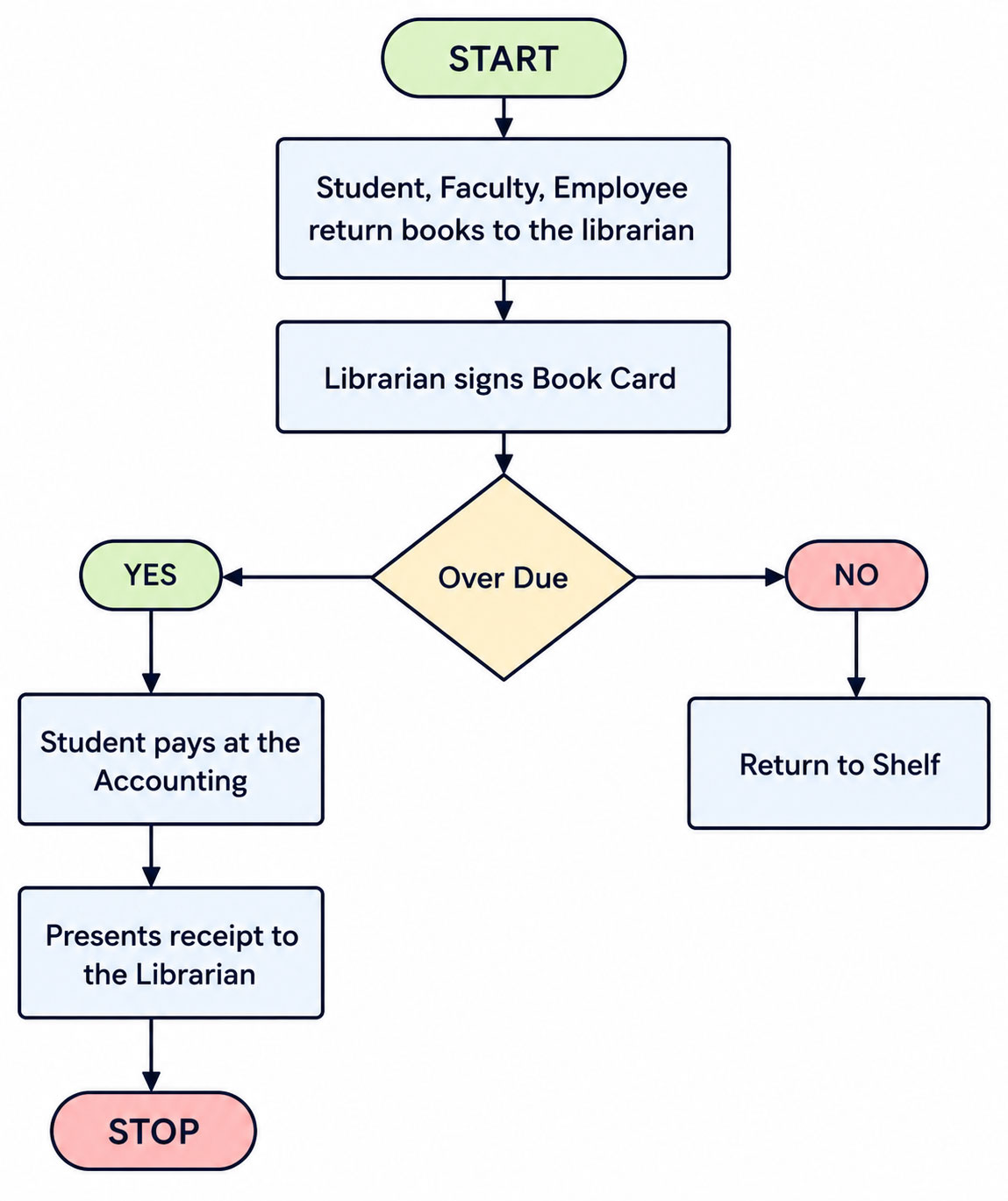
System and Procedures for Returning a Book:

  • The borrower returns the book(s) to the library.
  • The library staff checks for overdue. If there are no over dues to be collected the librarian signs the book card.
  • The book is returned to the shelf.
  • If there is an overdue to be collected, the borrower is sent to the Accounting Department to pay the corresponding fine.
  • The receipt is submitted to the library staff.
  • The book card stamped “returned” and the book is shelved.

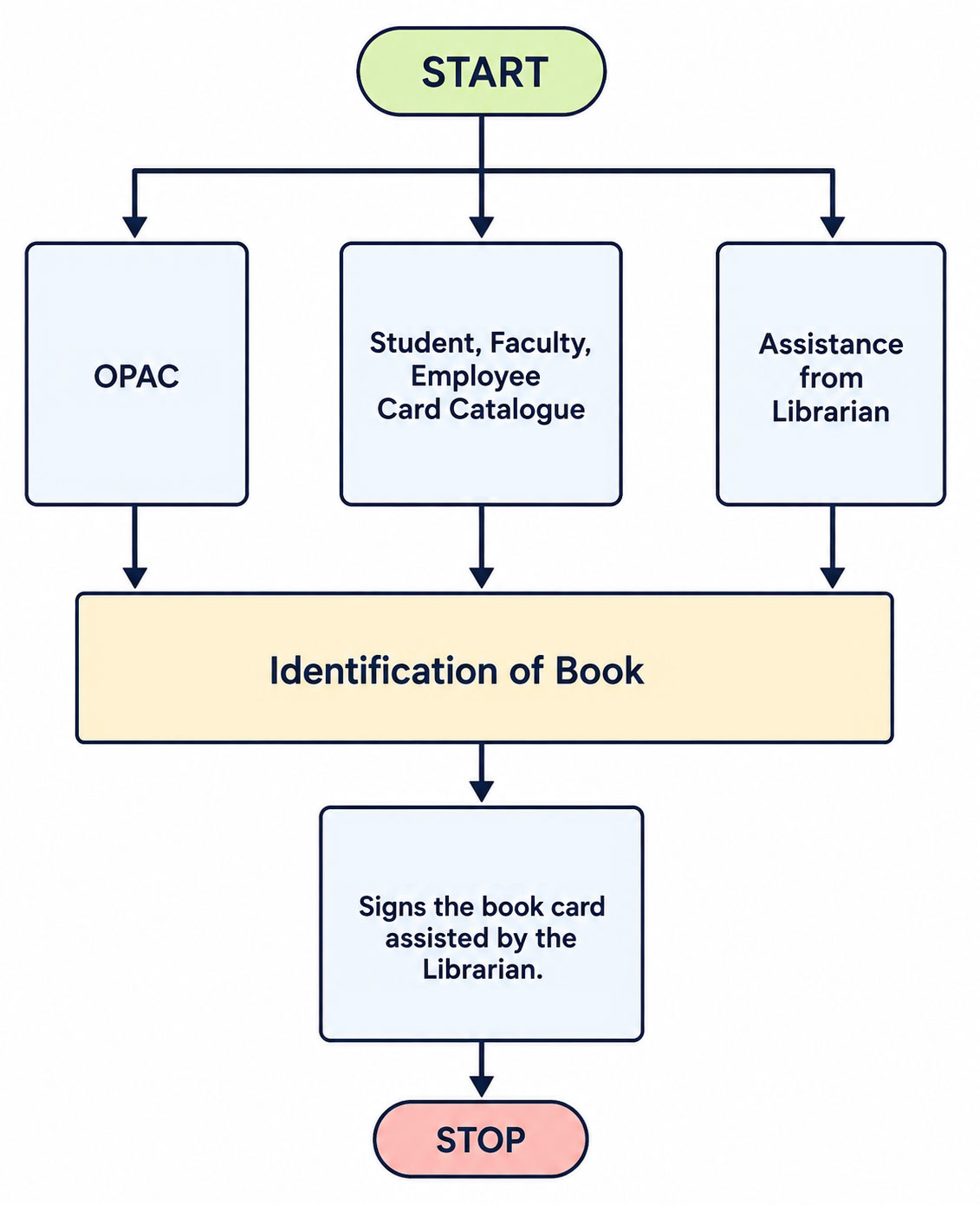
System and Procedures for Book Borrowing or Book Lending:

  • The user may identify the book that he/she wants to borrow from the library by any of the following:
    • Use the card catalogue
    • Use the OPAC or Online Public Access Catalog or
    • Ask for assistance from any library staff.
  • Once the book has been identified and located, as assisted by the librarian, the researcher fills in the book card and gives the book card to the assisting librarian for filing.

System and Procedures for Book Acquisition:

  • Any of the following may suggest a book or serial for acquisition by the library department: student, faculty and or dean.
  • The library department checks the library holding for a copy of the suggested title, if the book is available, the requesting party is informed about the availability of the suggested book.
  • But if the suggested title is not available, then, the library department prepares the recommendation and acquisition forms.
  • Upon completion of the recommendation and acquisition forms, it is then submitted to the Textbook Committee for approval.
  • Once the recommendation and acquisition forms have been approved by the Textbook Committee, the library department recommends the titles to the Vice President for Finance to determine the availability of funds.
  • If there are funds available, the signed recommendation and acquisition forms go to the President’s office for further approval.
  • Once the recommendation and acquisition forms have been approved by the president, a copy of the approved recommendation and acquisition forms are given to the Accounting department for the preparation and payment of the already approved titles.
  • In the event that there are no funds available, the library department determines other sources for the acquisition of the titles either through donations; exchanges or the Internet.

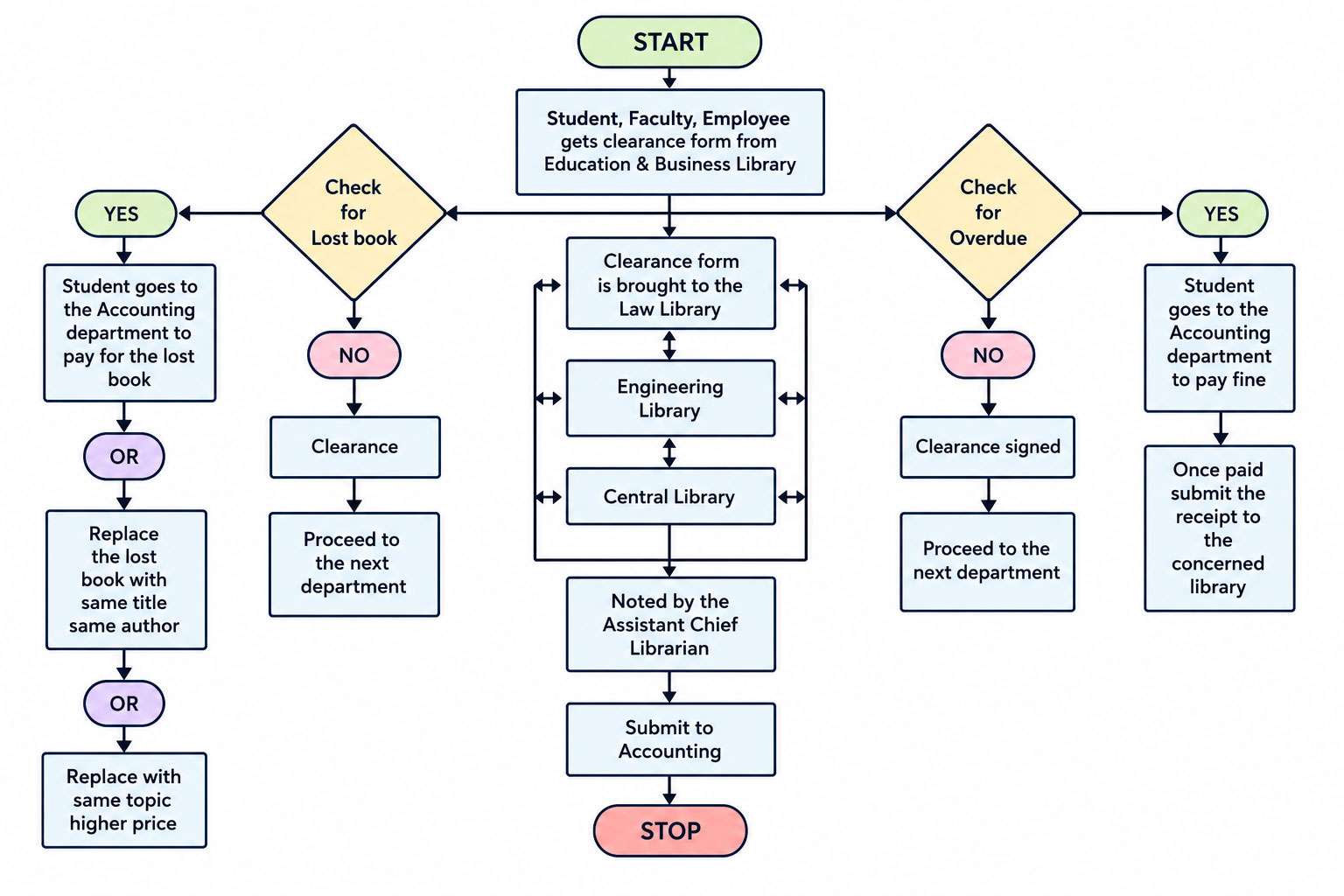
System and Procedures for Book Clearance:

  • A student, faculty or employee gets a clearance form from the HRM and Criminology Library.
  • Bring the clearance form to the different satellite libraries for signature by their respective representatives. But before affixing their signature with the clearance form, the librarian checks the list of names for overdue or unreturned books. If the student, faculty or employee has no overdue or unreturned book, he or she proceeds to the different satellite libraries.
  • The last library to sign is the representative of the Central Library to be noted by the Chief Librarian.
  • Finally the clearance is to be submitted to the Accounting Department.
  • In a situation wherein the student, faculty or employee has an overdue fee; the applicant should proceed to the Accounting department to pay the fine, once paid the official receipt is submitted to the library concerned so as to get his clearance signed.
  • In cases where in the book has already been lost the applicant upon the suggestion of the librarian may remedy the situation by any of the following:
    • Pay the price of the lost book to the Accounting department or;
    • Replace the lost book with the same title and same author or;
    • Replace the lost book with a similar topic but the amount of the book should not be less than the amount of the lost book.

Online public access catalog, a computerized and a user friendly database system which allows easy retrieval of entries from the library’s database (card catalog). Keywords are encoded and the computer will show you the entries you are looking for. Online searching saves much of your time compared to manual searching in the card catalog. Other universities are now using online catalogs. In an online catalog, information on  the catalog card is transformed into a format which the computer can recognize thus, making retrieval of information fast and easy.

Guidelines on how to use online catalogs:

  • Enter your search item (subject search, title search or an author search) then click the button below. In this case, the search item is a subject. You will click the icon SUBJECT then an alphabetical listing of subjects will appear on the screen highlighting your subject search. Opposite the subjects are number of titles available.
  • Choose the SELECT button below, and then a listing of titles or books for your chosen subject will appear on the screen.
  • Choose one title, and then click the SELECT button.
  • The bibliographic description for your chosen title will appear on the monitor indicating the call number which you will use for retrieving the material you need. Indicated below the description is copy information such as call number, status, etc.
  • Make sure that our hands are clean before using a book.
  • Handle the books with care.
  • Do not toss or throw the books.
  • Gently give the book to others with great care.
  • Carefully handle the pages of the book.
  • Turn the pages of the book one at a time.
  • Don’t tear any pages of the book.
  • Never fold over a corner of a page. Use a book mark.
  • Do not draw on the page / pages of the books you do not own.
  • Do not write on the page / pages of the books you do not own.
  • Do not write any markings library books.
  • Return books on time when it is already due.
  • Don’t fix the damaged books by yourself; inform the library aide or Librarian about damaged books; let them fix the book.
  • HELP US TAKE CARE OF THE BOOKS.
  • Let others enjoy the fun you have in reading the book.

PROF. IMEE L. RESURRECCION
Chief Librarian

MS. MERCEDES G. DIZON
Assistant Chief Librarian

Learning Resource Center

Mission of the Learning Resource Center (LRC)

The mission of LRC is to provide the “ideal standard”  for the learning environment, offering an efficient and more distributed pattern of learning that meets the global standards of quality education; and in fulfillment of the University’s mission to make life for others better, brighter, lighter and more livable.

The LRC is dedicated to providing its students with an educational environment that combines motivating academic study, effective skills training, and sound research procedures.

LRC aims to expand its services to all members of the academic community. Through this, the Center seeks to empower UM students and instill in them the desire to successfully meet and surpass their academic, and personal goals.

Background

To further discuss, the Learning Resource Center is one of key programs of the UMCSSS or University of Manila Comprehensive Student Support System.

The University of Manila Comprehensive Student Support System (UMCSSS) is divided into three aspects:

  1. Management and governance;
  2. Instruction; and
  3. Student support system.
The goal is to be sure that ALL students succeed in schools. The management of the University gives the highest priority to instruction and a student support system.  The UMCSSS, which is external and internal, has resources linking the institution with other organizations in order to assure the quality of the student experiences both in the classrooms and in the world of work.


LRC as an Alternative Learning System

The primary goal of the Center is to help students improve their academic performance. Many students do not succeed with traditional methods in large groups or with the standard curriculum’s scope, sequence and pace. Some require heavy remedial work, while others need tutorial assistance or a combination of both approaches.

Our one-on-one and group class programs are truly individualized for each student. Each program is structured to produce mastery learning, an outstanding self-confidence booster. In addition, resource handouts are available to assist students with study skills, research papers, and a selection of other academic tasks.

Programs Offered:

FREE TUTORIAL SERVICES in all subjects!

-1 : 1 classes
-1 : 4 classes
-1 : 8 classes

+ ESL and Group Conversation Classes

with Audio – Visual Materials

Testing and Evaluation Center

True to its vision and mission, The University of Manila has established the Testing and Evaluation Center with the primary purpose of formulating and administering departmental examinations, pre-qualifying, and qualifying examinations to the students of the University. The Center is directly supervised by the Office of the University President and Chief Academic Officer.

Furthermore, the Center aims to help students achieve academic excellence through timely and relevant examinations. With this in mind, the Center constantly strengthens the academic standards of the University by instituting programs and examination instruments comparable with local and international standards.

Select the fields to be shown. Others will be hidden. Drag and drop to rearrange the order.
  • Image
  • SKU
  • Rating
  • Price
  • Stock
  • Availability
  • Add to cart
  • Description
  • Content
  • Weight
  • Dimensions
  • Additional information
Click outside to hide the comparison bar
Compare
No apps configured. Please contact your administrator.