
College of Hospitality Management and School of Foreign Service
March 26, 2026 2026-08-04 9:54College of Hospitality Management and School of Foreign Service
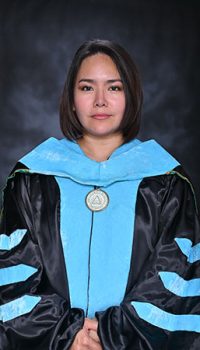
EMILINE D. BORCES
Dean, School of Foreign Service & College of Hospitality Management
PROF. BENJAMIN S. JARAMILLA
Program Director, School of Foreign Service & College of Hospitality Management
Program Recognition
ACSCU-ACI - LEVEL IV RE-ACCREDITED
College of Hospitality Management
About
Under the vigilant stewardship of Dr. Virgilio De Los Santos, the University has been placed to a higher level of credit and standard. In line with the thrusts of the government and to keep abreast with the demands of the modern times, in the year 1992, the University offered a one-year course in Hotel and Restaurant Management (HRM). Two years after, the course turned into a four-year degree program to answer the sought need for a comprehensive and practical education in the field of Hotel and Restaurant Management.
To date, the College is one of the most populous academic units in the University. HRM students go to different countries like Singapore and Japan for their on-the-job training (OJT); this is apart from the domestic partner hotels and restaurants of the University as OJT venues.
In recognition of the quality standards and practices of the College, the Association of Christian Schools, Colleges, and Universities or ACSCU-AAI, a member of the Federation of Accrediting Agencies in the Philippines or FAAP, granted Level I Formal Accreditation status for its program Bachelor of Science in Hotel and Restaurant Management.
Objectives
General Objectives:
The University of Manila, College of Hospitality Management aims to be the center of excellence in Hospitality Management Education in the Philippines by producing hotel and restaurant managers, entrepreneurs, and leaders equipped with the values, competencies, and skills fully anchored in the UM trilogy of Ideals: Patria, Scientia, et Virtus.
Specific Objectives:
The program seeks to achieve the following specific objectives:
- To provide students with strong theoretical and empirical training founded on the University ideals of patria, scientia, et virtus for management and entrepreneurial roles in the hospitality industry;
- To develop graduates who possess traits and competencies expected of future managers, entrpreneurs, and leaders in the industry, so as to assist in the development, growth, and professionalism of the hospitality industry;
- To immerse HM faculty members on current hospitality trends through active research, seminars, colloquia, workshops, training and membership with local and international professional organizations;
- To meet the changing demands of the hospitality industry by promoting quality classroom instruction and related learning experiences;
- To involve HM faculty members and students in the community program and services, such as livelihood and entrepreneurial activities.
Program Intended Learning Outcomes
Upon successful completion of the Bachelor of Science in Hospitality Management program, graduates shall be able to:
- Demonstrate comprehensive knowledge of hospitality management by applying theories, principles, and best practices in accommodation operations, food and beverage service, culinary management, events management, and other hospitality-related sectors.
- Deliver exceptional guest experiences by applying quality service standards, customer relationship management, cultural sensitivity, and professionalism in diverse hospitality settings.
- Apply managerial and leadership competencies in planning, organizing, directing, and controlling hospitality operations to achieve organizational effectiveness and sustainable business performance.
- Develop innovative and entrepreneurial hospitality ventures by preparing strategic business plans, identifying market opportunities, and implementing creative solutions that respond to industry trends and customer needs.
- Utilize information and communication technology (ICT), hospitality information systems, and digital platforms to improve operational efficiency, reservations management, revenue generation, marketing, and guest services.
- Apply research methods and data analytics to identify operational challenges, evaluate hospitality practices, and recommend evidence-based solutions that enhance organizational performance.
- Communicate effectively through oral, written, and digital communication while demonstrating professionalism in dealing with guests, colleagues, industry partners, and multicultural clientele.
- Demonstrate teamwork, leadership, and interpersonal competence by collaborating effectively with multidisciplinary teams and managing workplace relationships in local and international hospitality environments.
- Practice ethical, sustainable, and socially responsible hospitality management by promoting environmental stewardship, cultural preservation, occupational safety, food safety, and responsible tourism in accordance with national and international standards.
- Apply global hospitality standards by integrating international best practices, quality assurance systems, risk management, and regulatory requirements in hospitality operations.
- Engage in lifelong learning and continuous professional development by adapting to technological innovations, emerging hospitality trends, global industry practices, and changing customer expectations.
- Exemplify patriotism, integrity, and service excellence by embodying the University of Manila’s ideals of Patria, Scientia et Virtus and contributing to the growth of the Philippine hospitality industry through competent, ethical, and customer-centered professional practice.
Program Educational Objectives
- Professional Excellence
Demonstrate competence and leadership in hospitality management by effectively managing accommodation, food and beverage, culinary, events, and other hospitality operations while delivering exceptional guest experiences that meet local and international industry standards. - Ethical Leadership and Service Excellence
Practice the hospitality profession with integrity, professionalism, cultural sensitivity, and a strong commitment to customer service, sustainability, and social responsibility, exemplifying the University of Manila’s ideals of Patria, Scientia et Virtus. - Innovation, Entrepreneurship, and Industry Engagement
Develop and manage innovative hospitality enterprises and contribute to the growth of the hospitality and tourism industry through entrepreneurship, strategic management, technology adoption, and collaboration with industry partners and community stakeholders. - Research, Quality Improvement, and Sustainability
Utilize research, data-driven decision-making, and continuous quality improvement to enhance hospitality operations, promote sustainable practices, improve organizational performance, and address emerging challenges in the global hospitality industry. - Lifelong Learning and Global Competence
Pursue continuous professional development, lifelong learning, international certifications, and career advancement while adapting to technological innovations, global hospitality trends, multicultural environments, and evolving industry standards.
Attributes
Outstanding Attributes of Hospitality Management Graduates
Graduates of the College of Hospitality Management at the University of Manila are distinguished as future leaders and professionals who embody diplomacy, excellence, and a global mindset. They are trained to uphold the highest standards of the international hospitality industry—capable of navigating diverse cultures, leading with integrity, and delivering world-class service. As DIPLOMATS, they represent the university’s commitment to shaping competent, ethical, and innovative professionals in a fast-evolving global landscape.
D – Dynamic: Adaptable and forward-thinking, capable of thriving in fast-paced, evolving hospitality environments.
I – Innovative: Applies creativity and modern solutions to enhance guest experiences and operational efficiency.
P – Professional: Demonstrates high standards of conduct, appearance, and performance across all settings.
L – Linguistically Competent: Communicates effectively in multiple languages, recognizing the value of communication in global service.
O – Organized: Manages time, resources, and operations with precision and strategic planning.
M – Multicultural: Culturally fluent and respectful, embracing diversity in teams, clients, and global contexts.
A – Analytical: Uses critical thinking and data-driven decision-making to solve problems and improve service.
T – Technologically Skilled: Proficient in modern hospitality tools, systems, and platforms for efficient and seamless operations.
S – Service-Oriented: Deeply committed to genuine hospitality and creating exceptional guest experiences.
SCHOOL OF FOREIGN SERVICE
GLOBALS
G – Globally Minded
L – Leadership-Oriented
O – Open to Diversity
B – Bridge Builder
A – Analytical
L – Lifelong Learner
S – Service-Oriented
Graduate Attribute Statement:
Foreign Service graduates are GLOBALS who foster international understanding, diplomatic leadership, intercultural competence, and public service.
Career Opportunities
- Hotel Manager
- Restaurant Manager
- Front Office Associate/Manager
- Food and Beverage Supervisor
- Event Planner/Coordinator
- Tourism Officer
- Travel Consultant/Agent
- Cruise Ship Staff
- Housekeeping Supervisor
- Resort Manager
- Airline Cabin Crew
- Banquet or Catering Manager
- Guest Relations Officer
- Entrepreneur/Business Owner
- Bar and Beverage Supervisor
- Tour Coordinator
- Recreation and Leisure Officer
- Hospitality Instructor or Trainer
Program Curriculum
Bachelor of Science in Hospitality Management
- First Year
- Second Year
- Third Year
- Fourth Year
School of Foreign Service
About
The School of Foreign Service opened on May 3, 1946. It is primarily concerned with the proper training of future officers and personnel of the diplomatic and consular offices of the Republic of the Philippines; the intelligent study of international problems; and the training of experts in foreign relations who are needed by commercial establishments, the different organs and instrumentalities of the United Nations, newspapers, radio firms, banking institutions, and universities.
This School believes in the use of diplomacy as an instrument of peace and human progress, and seeks to instill this belief into the minds of its students. Besides the technical aspects of the course, the cultural side of the Foreign Service as a life career or profession is stressed.
Classroom instruction is supplemented by a requirement for students to attend supervised tea and cocktail parties, dinners, receptions, cultural presentations, and guided tours as a practical training for personality development and for the proper observance of protocol and etiquette at diplomatic functions.
Objectives
General Objectives:
The School of Foreign Service of the University of Manila believes in the use of diplomacy as an instrument of peace and human progress, As such, the program seeks to instill this belief in the potency of Foreign Service empowerment as an instrument of goodwill in the young men and women who would like to pursue a career in diplomatic relations and foreign service who by their level of commitment and quality of service exemplify “Love of Country” (Patria), “Love of Science” (Scientia), and “Love of Virtue” (Virtus) in the various diplomatic roles they hope to play in the world of work.
Specific Objectives:
- To provide professional training for students who will be future officers and personnel of the different diplomatic and consular offices of the Republic of the Philippines.
- To provide the students with an intensive study of international policies, implementing guidelines, and various levels of human relationships; thus, enhancing their knowledge, competencies, skills, and values.
- To immerse Foreign Service faculty members on current innovations and trends through active research seminars, colloquia, workshops, and training, and membership with local and international professional organizations’
- To provide review classes on government examinations for Foreign Service graduates.
Program Intended Learning Outcomes
Program Educational Objectives
Attributes
Career Opportunities
- Diplomat/Foreign Service Officer
- International Relations Specialist
- Embassy or Consular Staff
- Political Analyst
- International Trade Specialist
- Immigration Officer
- Customs Officer
- Humanitarian or NGO Worker
- International Business Consultant
- Public Relations Officer
- Research Analyst
- Translator or Interpreter
- Travel and Tourism Officer
- Intelligence Analyst
- Policy Adviser
- International Program Coordinator
- Journalist or Foreign Correspondent
- Professor or Instructor in International Studies
Program Curriculum
Bachelor of Science in Hospitality Management
- First Year
- Second Year
- Third Year
- Fourth Year
Under the vigilant stewardship of Dr. Virgilio De Los Santos, the University has been placed to a higher level of credit and standard. In line with the thrusts of the government and to keep abreast with the demands of the modern times, in the year 1992, the University offered a one-year course in Hotel and Restaurant Management (HRM). Two years after, the course turned into a four-year degree program to answer the sought need for a comprehensive and practical education in the field of Hotel and Restaurant Management.
To date, the College is one of the most populous academic units in the University. HRM students go to different countries like Singapore and Japan for their on-the-job training (OJT); this is apart from the domestic partner hotels and restaurants of the University as OJT venues.
In recognition of the quality standards and practices of the College, the Association of Christian Schools, Colleges, and Universities or ACSCU-AAI, a member of the Federation of Accrediting Agencies in the Philippines or FAAP, granted Level I Formal Accreditation status for its program Bachelor of Science in Hotel and Restaurant Management.
General Objectives:
The University of Manila, College of Hospitality Management aims to be the center of excellence in Hospitality Management Education in the Philippines by producing hotel and restaurant managers, entrepreneurs, and leaders equipped with the values, competencies, and skills fully anchored in the UM trilogy of Ideals: Patria, Scientia, et Virtus.
Specific Objectives:
The program seeks to achieve the following specific objectives:
- To provide students with strong theoretical and empirical training founded on the University ideals of patria, scientia, et virtus for management and entrepreneurial roles in the hospitality industry;
- To develop graduates who possess traits and competencies expected of future managers, entrpreneurs, and leaders in the industry, so as to assist in the development, growth, and professionalism of the hospitality industry;
- To immerse HM faculty members on current hospitality trends through active research, seminars, colloquia, workshops, training and membership with local and international professional organizations;
- To meet the changing demands of the hospitality industry by promoting quality classroom instruction and related learning experiences;
- To involve HM faculty members and students in the community program and services, such as livelihood and entrepreneurial activities.
Bachelor of Science in Hospitality Management
The School of Foreign Service opened on May 3, 1946. It is primarily concerned with the proper training of future officers and personnel of the diplomatic and consular offices of the Republic of the Philippines; the intelligent study of international problems; and the training of experts in foreign relations who are needed by commercial establishments, the different organs and instrumentalities of the United Nations, newspapers, radio firms, banking institutions, and universities.
This School believes in the use of diplomacy as an instrument of peace and human progress, and seeks to instill this belief into the minds of its students. Besides the technical aspects of the course, the cultural side of the Foreign Service as a life career or profession is stressed.
Classroom instruction is supplemented by a requirement for students to attend supervised tea and cocktail parties, dinners, receptions, cultural presentations, and guided tours as a practical training for personality development and for the proper observance of protocol and etiquette at diplomatic functions.
General Objectives:
The School of Foreign Service of the University of Manila believes in the use of diplomacy as an instrument of peace and human progress, As such, the program seeks to instill this belief in the potency of Foreign Service empowerment as an instrument of goodwill in the young men and women who would like to pursue a career in diplomatic relations and foreign service who by their level of commitment and quality of service exemplify “Love of Country” (Patria), “Love of Science” (Scientia), and “Love of Virtue” (Virtus) in the various diplomatic roles they hope to play in the world of work.
Specific Objectives:
- To provide professional training for students who will be future officers and personnel of the different diplomatic and consular offices of the Republic of the Philippines.
- To provide the students with an intensive study of international policies, implementing guidelines, and various levels of human relationships; thus, enhancing their knowledge, competencies, skills, and values.
- To immerse Foreign Service faculty members on current innovations and trends through active research seminars, colloquia, workshops, and training, and membership with local and international professional organizations’
- To provide review classes on government examinations for Foreign Service graduates.